Why Commercial Rodent Control Requires Specialized Solutions
Commercial rodent control requires specialized solutions that local service providers offer to effectively eliminate pests and prevent future infestations.
Understanding why commercial rodent control requires specialized solutions is essential for property owners facing rodent issues in business environments. Unlike residential settings, commercial properties often present unique challenges such as larger spaces, complex layouts, and specific operational needs that standard pest control methods may not address effectively. Local service providers who specialize in commercial rodent control are equipped with the knowledge and tools to develop tailored strategies that target rodents efficiently while minimizing disruption to daily operations. Exploring this topic helps property owners recognize the importance of engaging experts who understand the intricacies of commercial environments and can implement effective, long-lasting solutions.
For those managing retail spaces, warehouses, or office buildings in the area, understanding the importance of specialized solutions can be a practical step toward maintaining a safe and hygienic environment. Rodent infestations can pose health risks, damage property, and impact business reputation, making professional intervention a wise choice. Local contractors experienced in commercial rodent control can assess specific property needs, identify entry points, and recommend comprehensive strategies to prevent future issues. Continuing to explore this subject can clarify how partnering with knowledgeable service providers is vital for effective, sustainable rodent management tailored to the complexities of commercial spaces.
- Commercial building inspections are essential when signs of rodent activity are detected, and local contractors tailor their approach to the unique layout and entry points of each property. Food storage facilities require specialized solutions to address the high attractant levels and prevent infestations, with local service providers implementing targeted exclusion methods. Warehouses and manufacturing sites often need comprehensive rodent management plans that consider large spaces and access points, which local pros customize for effective control. Restaurants and food service businesses seek expert assistance to meet health standards, with local contractors applying precise trapping and sanitation strategies. Industrial facilities with complex infrastructure demand advanced techniques, and local service providers develop integrated solutions to address their specific challenges.
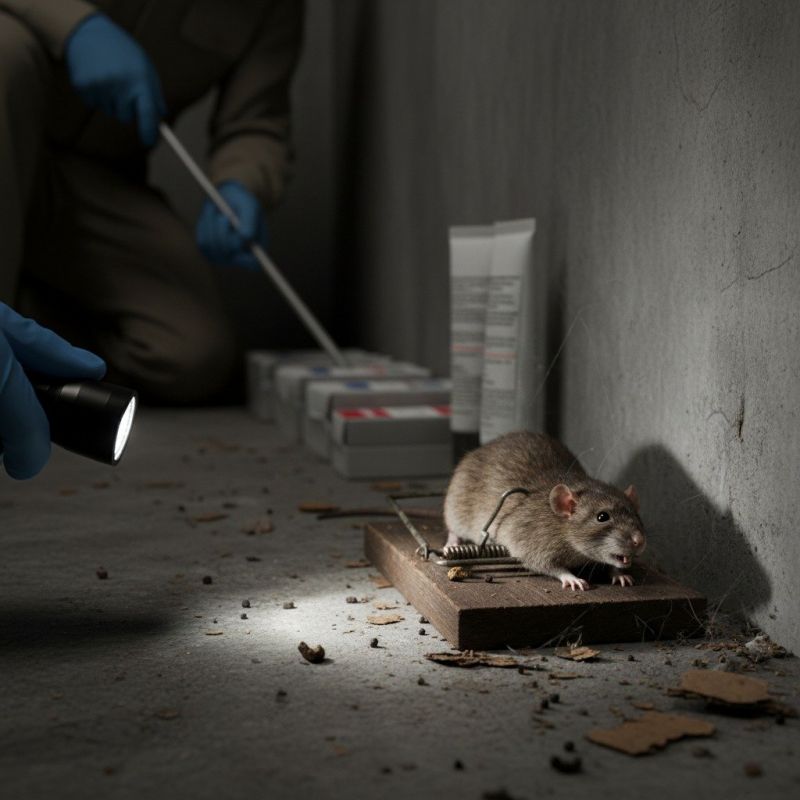
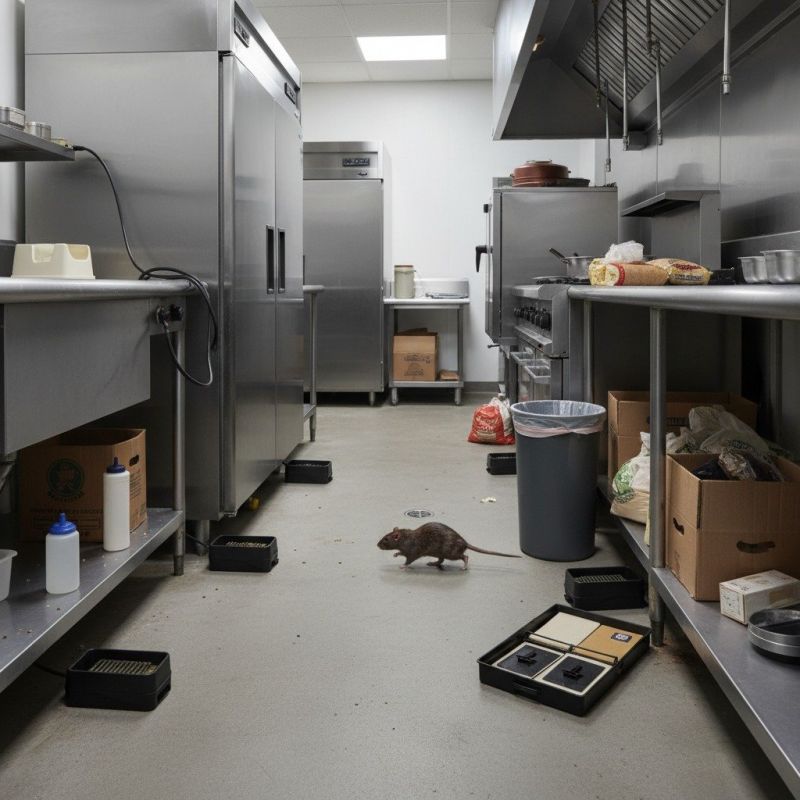
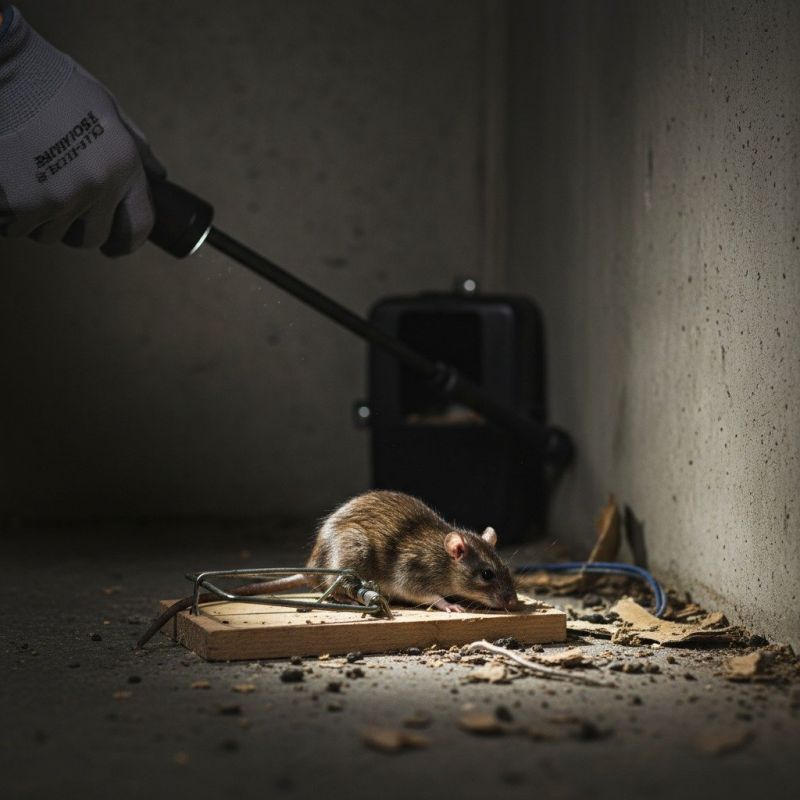
When people search for why commercial rodent control requires specialized solutions, they often want to understand why standard pest control methods may not be enough for business environments. Unlike residential settings, commercial properties typically involve larger spaces, complex layouts, and higher expectations for sanitation and safety. These factors mean that tackling rodent problems in commercial spaces demands more than just basic trapping or baiting. Local contractors who specialize in commercial rodent control have the experience and tools necessary to develop tailored strategies that address the unique challenges of each property. Recognizing this need for specialized approaches helps property owners ensure that their pest management efforts are effective and compliant with industry standards.
The problems associated with rodent infestations in commercial properties can be significant and multifaceted. Rodents can damage wiring, contaminate food supplies, and compromise sanitation standards, leading to health code violations and potential business closures. Plans to control these pests often require comprehensive inspections to identify entry points and nesting sites, followed by targeted treatments that prevent future invasions. Commercial rodent control solutions also involve ongoing monitoring and maintenance, especially in environments where food processing, storage, or public access occurs. Local service providers familiar with these complexities can implement integrated pest management strategies that minimize disruption while effectively reducing rodent populations.
Properties that frequently come up in discussions about commercial rodent control include warehouses, restaurants, grocery stores, manufacturing facilities, and office complexes. These types of properties tend to have large storage areas, food handling zones, or structural features that provide ample hiding spots for rodents. In addition, properties with multiple access points, such as loading docks or service entrances, are more susceptible to rodent entry and require specialized solutions. Commercial spaces often have strict sanitation and safety standards, making it essential to work with service providers who understand the intricacies of pest control within these environments. Properly addressing rodent issues in such properties involves tailored strategies that consider the specific layout, usage, and vulnerabilities of each site.
Understanding why commercial rodent control requires specialized solutions helps property owners appreciate the importance of working with experienced local contractors. These professionals bring knowledge of industry-specific challenges and the latest techniques to develop effective, long-lasting pest management plans. They can assess the unique features of each property, identify potential entry points, and recommend customized treatments that are safe and compliant with business operations. For property owners, partnering with local pros ensures that rodent problems are addressed efficiently and thoroughly, reducing the risk of damage, contamination, and regulatory issues. Ultimately, investing in specialized solutions is key to maintaining a safe, clean, and functional commercial environment free from rodent-related concerns.
Building inspections - professionals assess structural vulnerabilities and entry points, a skill also essential in identifying rodent access areas in commercial properties.
Pest exclusion projects - these projects involve sealing and repairing openings, which is a key component of effective commercial rodent control solutions.
Warehouse sanitation services - maintaining cleanliness and reducing food sources is vital in both sanitation efforts and preventing rodent infestations.
Wildlife removal services - handling larger pests requires specialized techniques, similar to those used in managing rodent populations in commercial settings.
Drain and sewer cleaning - these projects address hidden pathways that rodents may use, complementing the planning needed for effective control measures.
Structural repair contractors - repairing damaged building elements helps eliminate rodent nesting sites, a crucial part of integrated pest management strategies.
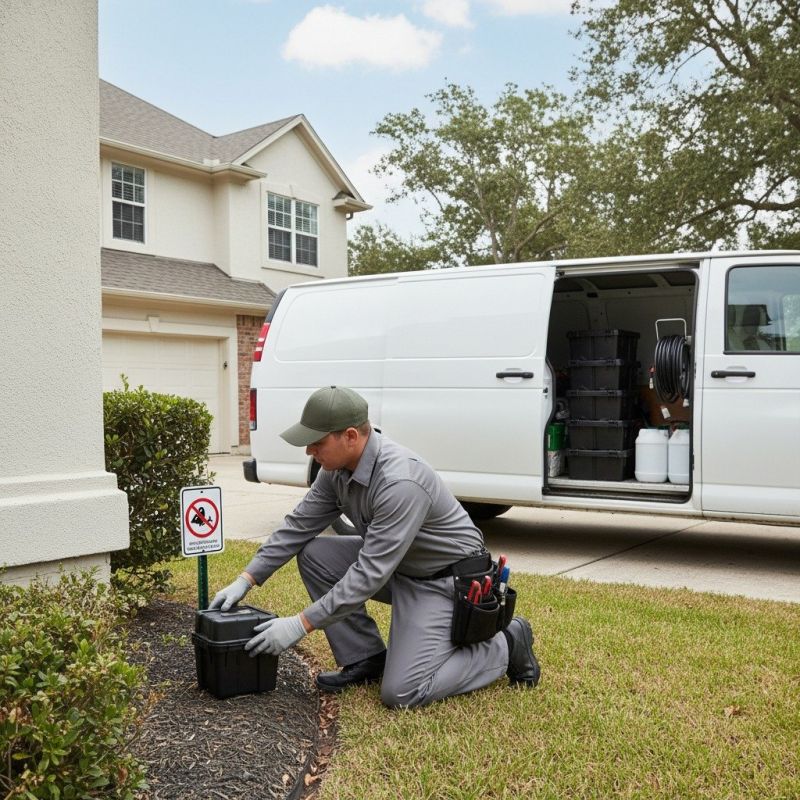
When evaluating service providers for commercial rodent control, it is important to consider their experience with similar projects. A contractor who has handled commercial properties with comparable needs will be better equipped to develop effective, tailored solutions. This experience often translates into a deeper understanding of the unique challenges that come with controlling rodents in larger or complex environments, ensuring that the approach is both comprehensive and efficient. Homeowners should inquire about the types of commercial settings the service provider has worked with and seek evidence of their familiarity with the specific issues that arise in those environments.
Clear written expectations are essential when comparing local contractors for commercial rodent control. A reputable service provider should be able to outline the scope of work, methods, and follow-up procedures in a straightforward manner. This transparency helps ensure that homeowners understand what services will be performed and what results to expect. It also provides a basis for assessing whether the proposed solution aligns with the property's needs and whether the contractor’s approach adheres to best practices for specialized rodent management.
Reputable references and strong communication are key factors in choosing the right local pros. References from previous commercial clients can offer insights into the contractor’s reliability, professionalism, and effectiveness in resolving rodent issues. Good communication throughout the process-such as prompt responses to questions and clear updates-can make a significant difference in the overall experience. When comparing service providers, homeowners should look for those who are transparent, responsive, and able to provide references that attest to their experience with similar projects, ensuring that the chosen contractor can deliver specialized solutions that meet the property's unique requirements.
Property owners often search for why commercial rodent control requires specialized solutions when they are planning practical projects around their homes and businesses. Local pros provide Commercial Rodent Control services for everyday jobs and straightforward project options.
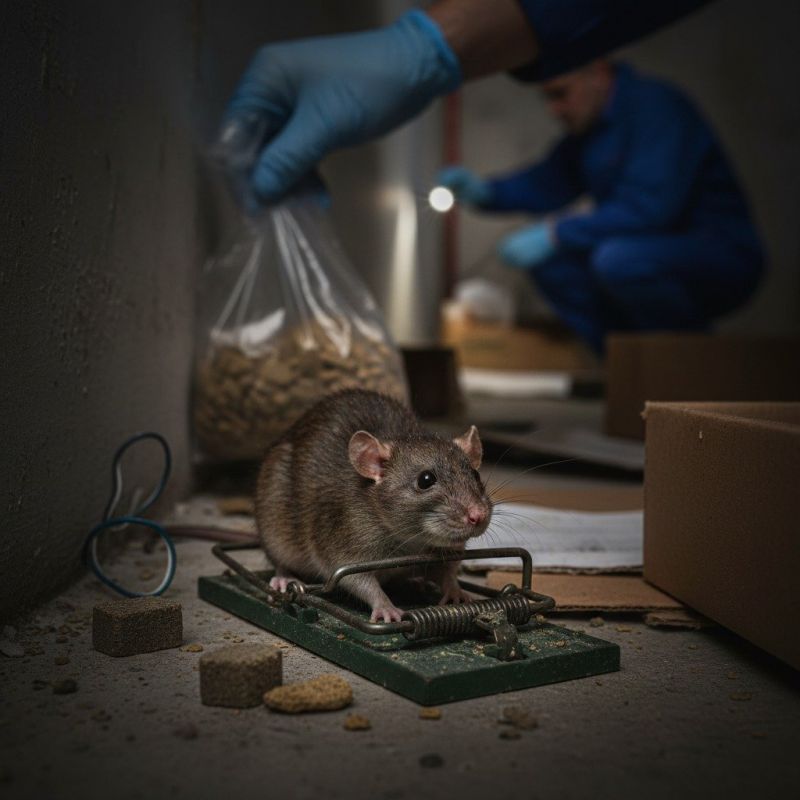
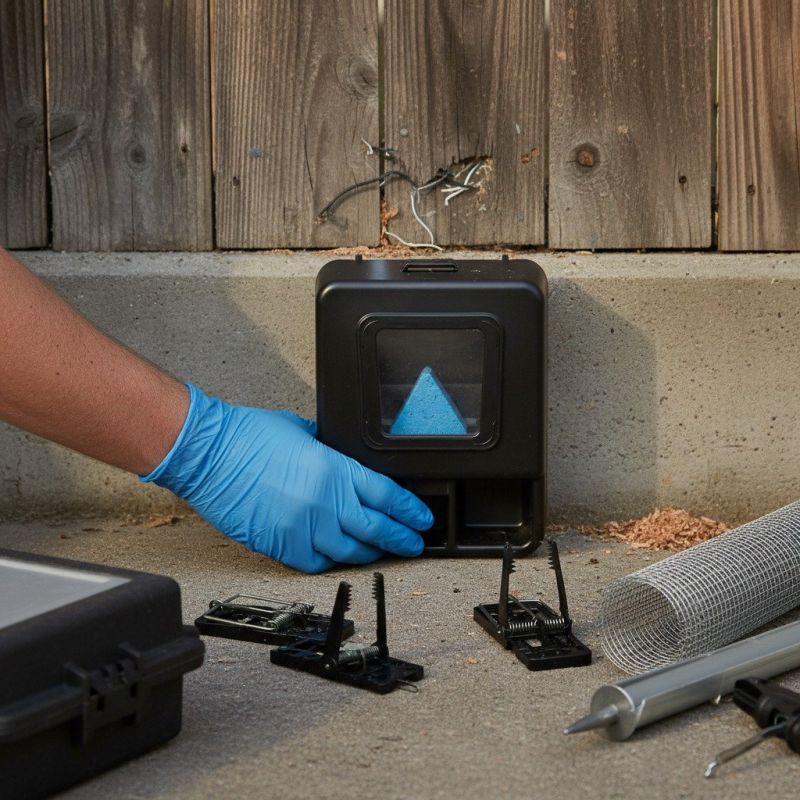
In many commercial properties, rodent infestations can pose significant challenges that require more than basic pest control methods. Business owners and property managers often encounter situations where rodents have established complex nesting sites or access points that are difficult to address with standard solutions. This is especially true in environments with extensive storage, food processing areas, or structural features that provide ample hiding spots. Because of these complexities, local contractors specializing in commercial rodent control employ tailored strategies designed to effectively eliminate rodents and prevent future issues, ensuring the safety and integrity of the property.
Additionally, commercial settings often demand solutions that are both thorough and discreet to minimize disruptions to daily operations. Simple or generic approaches may overlook critical entry points or fail to address underlying causes of infestations, leading to recurring problems. Local service providers with experience in commercial rodent control understand the importance of comprehensive inspections and specialized techniques suited for larger or more complex properties. This expertise helps property owners address the root of the issue efficiently, making specialized solutions essential for maintaining a rodent-free environment in commercial spaces.
Why can't regular pest control methods handle commercial rodent problems? Commercial rodent control requires specialized solutions because rodents can adapt to standard treatments, and commercial settings often have complex structures that need tailored approaches. Local contractors understand these unique challenges and use methods suited for business environments.
What makes commercial rodent control different from residential services? Commercial rodent control involves addressing larger infestations and preventing damage to critical business assets. Local service providers have the experience to develop comprehensive plans that meet the specific needs of commercial properties.
Why is it important to use specialized equipment for commercial rodent control? Specialized equipment is necessary to effectively access hard-to-reach areas and implement targeted treatments. Local contractors have the right tools to ensure thorough inspection and removal in commercial spaces.
How do local service providers ensure the effectiveness of commercial rodent control? They tailor strategies based on the property's layout and industry requirements, utilizing proven techniques and ongoing monitoring to prevent future infestations effectively.
What risks are associated with using non-specialized solutions for commercial rodent control? Non-specialized solutions may be ineffective, leading to recurring infestations and potential damage or health hazards. Local pros provide solutions designed specifically for commercial environments to minimize these risks.
Understanding rodent behavior - Recognizing how rodents navigate and hide helps property owners implement targeted control strategies with the help of local contractors.
Identifying entry points - Finding and sealing gaps and holes prevents future infestations, making it essential to work with local experts who can assess property vulnerabilities.
Using specialized trapping methods - Employing advanced traps and bait stations ensures effective removal, which requires knowledge and equipment only available through professional services.
Implementing ongoing monitoring - Regular inspections by local contractors help maintain control over rodent activity and adapt solutions as needed for long-term results.
If you are thinking about why commercial rodent control requires specialized solutions for a property, this guide is meant to help you understand this topic, the typical project types, and how different options might fit your plans.
When you are ready, you can use the quote form on this page to share a few details about your project. From there, local pros can review the basics and follow up with options that match what you have in mind.