How Rodents Compromise Insulation and Indoor Air Quality
Local contractors can help remove rodents that damage insulation and reduce indoor air quality, restoring a safer, cleaner environment in your home.
If you’ve recently discovered signs of rodents in your property, understanding how rodents compromise insulation and indoor air quality can be crucial for maintaining a safe and comfortable home. Rodents often burrow into attic and wall insulation, creating nests that can lead to insulation damage and contamination. This not only diminishes the effectiveness of your insulation but can also introduce health risks through the spread of bacteria, droppings, and allergens. Property owners in the area who want to protect their investment and ensure a healthier living environment may find it helpful to explore how these pests impact indoor air quality and what steps can be taken to address the problem effectively.
Local service providers specializing in rodent removal are equipped to handle these issues, offering solutions that go beyond just eliminating the pests. They can assess the extent of insulation contamination and recommend appropriate cleanup or replacement strategies to restore your home’s insulation and air quality. By understanding how rodents compromise these critical components, property owners can make informed decisions about the best way to safeguard their spaces. Keep reading to learn more about the risks involved and how professional rodent removal services can help restore safety and comfort to your property.
- Rodent Infestation and Insulation Damage - Homeowners noticing rodent activity may need local contractors to remove pests and assess insulation for damage caused by gnawing and nesting.
- Indoor Air Quality Concerns - When indoor air quality drops or odors persist, local service providers can inspect for rodent droppings and contamination that compromise air purity.
- Contaminated Insulation Removal - If insulation becomes contaminated with rodent waste or nesting materials, local pros can safely remove and replace affected areas.
- Pest Prevention and Insulation Protection - To prevent future rodent entry and protect insulation, local contractors can seal entry points and install barriers around the attic and crawl spaces.
- Signs of Rodent Damage in Attics - Visible chewed wiring or insulation in the attic may signal rodent presence, prompting local experts to perform removal and insulation cleanup.
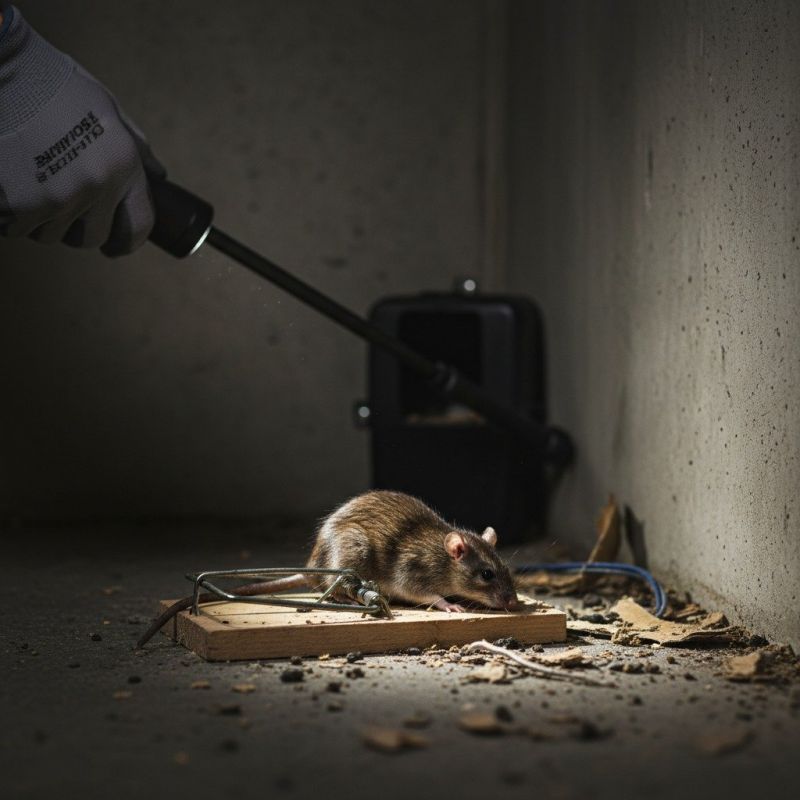
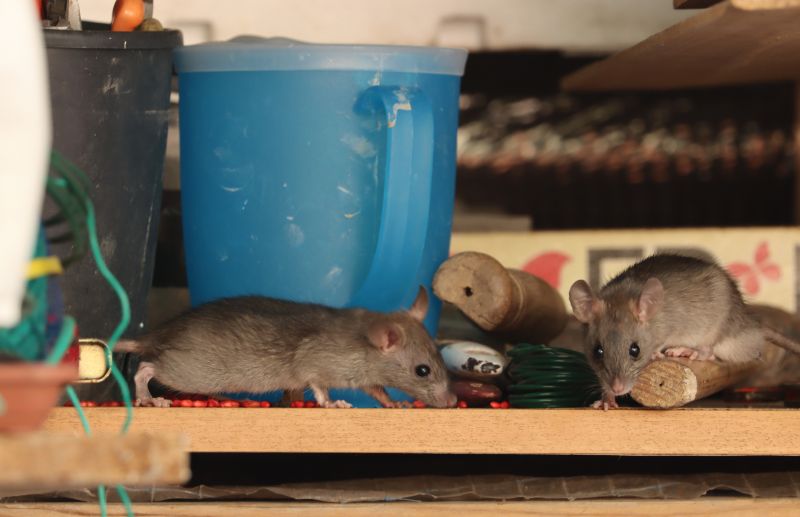
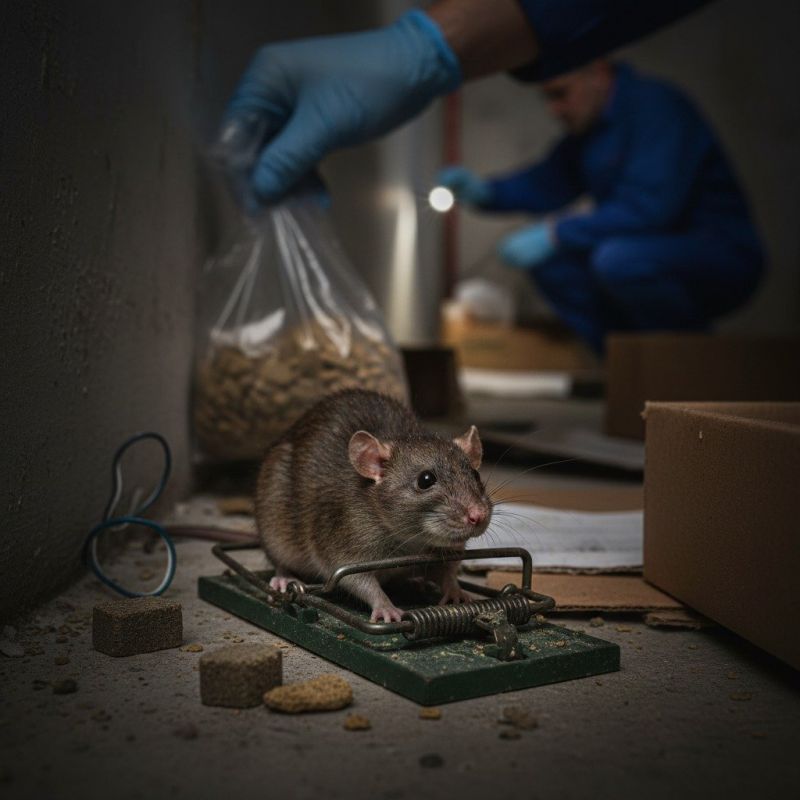
When people search for how rodents compromise insulation and indoor air quality, they are often concerned about the health and safety of their homes. This topic typically comes up in the context of pest problems, home maintenance, or renovation projects. Homeowners may notice signs of rodent activity, such as droppings, gnaw marks, or strange odors, and want to understand how these pests could be affecting their living environment. Many are also interested in improving energy efficiency or reducing allergens, which can be impacted when rodents damage insulation materials.
The problems linked to rodents in insulation and indoor air quality are significant. Rodents tend to burrow into insulation to create nests, which can lead to damage and reduced insulation effectiveness. This compromises a home’s ability to maintain consistent temperatures, leading to higher energy bills. Additionally, rodent droppings, urine, and shed fur can contaminate insulation, releasing allergens and airborne particles that degrade indoor air quality. In some cases, rodents may also carry parasites or diseases, further impacting health. Addressing these issues often involves removing contaminated insulation and implementing pest control measures to prevent future infestations.
Properties most commonly affected by rodents in insulation include attics, wall cavities, basements, and crawl spaces. These areas provide rodents with easy access and concealment, especially in homes with gaps or openings around vents, pipes, or the roofline. Older buildings or homes with less maintenance are particularly vulnerable, as their insulation and structural features may be more accessible to pests. Commercial properties and multi-family residences can also experience similar issues, especially if they have insulation installed in hard-to-reach places. Recognizing these property types helps homeowners understand where rodent damage might occur and how local service providers can assist in addressing the problem.
Connecting with local pros who specialize in rodent removal and insulation restoration is a practical step for homeowners facing these challenges. These service providers can evaluate the extent of rodent activity and insulation damage, then perform targeted removal and cleanup. They can also recommend or install new insulation to restore energy efficiency and improve indoor air quality. By working with experienced local contractors, homeowners can ensure that infestations are thoroughly managed and that their homes are protected from future rodent-related issues. This approach helps create a healthier, more comfortable living environment while addressing the root causes of insulation contamination.
Attic Insulation Replacement - professionals can remove contaminated insulation affected by rodents and install new materials to improve indoor air quality.
Pest Exclusion and Entry Prevention - local contractors can identify and seal entry points that rodents use, preventing further damage to insulation and indoor environments.
Wildlife Damage Repair - specialists address structural damages caused by rodents, restoring insulation and preventing air quality issues.
Air Duct Cleaning and Sealing - experts can clean and seal ductwork to remove rodent debris and improve overall indoor air circulation.
Insulation Inspection and Assessment - service providers evaluate existing insulation for rodent contamination and recommend necessary remediation steps.
Structural Damage Restoration - local contractors repair nesting sites and damaged building components to restore insulation integrity and indoor air quality.
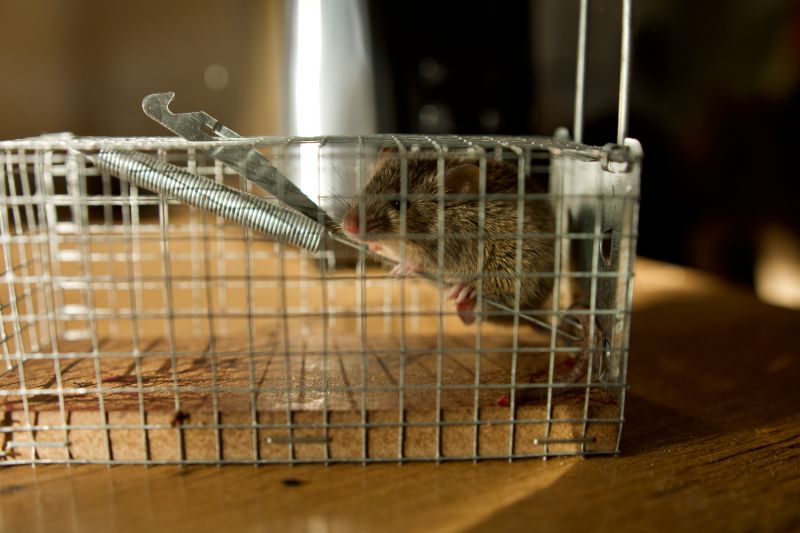
When comparing service providers for rodent removal, it is important to consider their experience with similar projects, specifically those involving insulation and indoor air quality concerns. Homeowners should inquire about how long the contractors have been handling rodent-related issues and whether they have successfully addressed situations similar to their own. A contractor with a proven track record in eliminating rodent infestations and restoring insulation can offer insights into effective methods and potential challenges, helping to ensure the work will be thorough and appropriate for the specific circumstances.
Clear written expectations are vital to prevent misunderstandings and ensure the scope of work aligns with the homeowner’s concerns about how rodents compromise insulation and indoor air quality. Service providers should be able to provide detailed descriptions of the procedures they plan to use, what areas will be involved, and what the results will look like. This helps homeowners understand what to expect during and after the project, making it easier to evaluate whether the approach addresses the underlying issues and improves indoor air quality by removing rodent hazards.
Reputable references and good communication are key factors when choosing a contractor for rodent removal. Homeowners should seek out service providers who can supply references from previous clients, especially those who had similar problems, to verify the quality of their work. Additionally, clear and open communication throughout the process helps ensure questions are answered promptly, concerns are addressed, and the project progresses smoothly. A contractor who maintains transparency and responsiveness can make the experience less stressful and more confident that the work will effectively mitigate how rodents compromise insulation and indoor air quality.
Property owners often search for how rodents compromise insulation and indoor air quality when they are planning practical projects around their homes and businesses. Local pros provide Rodent Removal services for everyday jobs and straightforward project options.
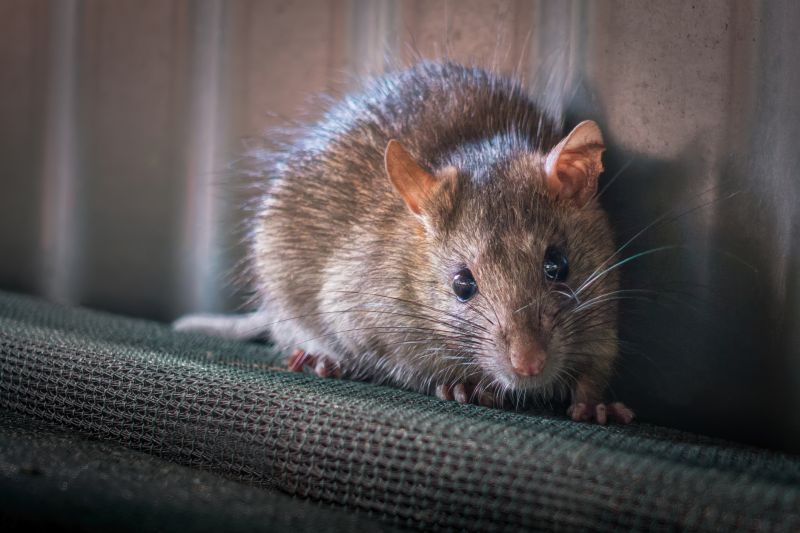
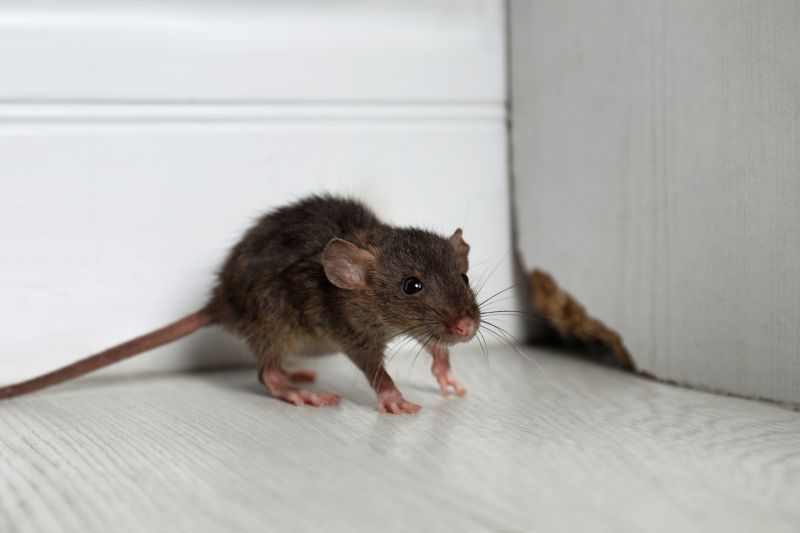
Rodents can cause significant issues for property owners by nesting in attics, wall voids, and other hidden spaces. Their presence often leads to insulation becoming damaged or contaminated as they burrow, chew through materials, and leave droppings and urine. This not only reduces the effectiveness of the insulation but also creates pathways for allergens and odors to circulate throughout indoor spaces. Homeowners noticing unusual smells, increased dust, or insulation that appears disturbed may consider reaching out to local contractors experienced in rodent removal to address these problems before they worsen.
In addition to damaging insulation, rodents can negatively impact indoor air quality by introducing airborne allergens and bacteria through their droppings and urine. These contaminants can become embedded in insulation, making it difficult to fully eliminate odors and airborne particles without professional removal and replacement. Property owners who suspect rodent activity or observe signs of infestation often find it helpful to connect with local service providers who specialize in rodent removal and insulation cleanup, ensuring a thorough approach to restoring a healthier indoor environment.
How do rodents affect insulation in a home? Rodents often chew through insulation materials, creating gaps and reducing their effectiveness, which can lead to increased energy costs and temperature fluctuations indoors.
In what ways can rodents impact indoor air quality? Rodent droppings, urine, and nesting materials can introduce allergens and airborne pathogens, degrading indoor air quality and potentially causing health issues.
Why is it important to remove rodents to protect insulation and air quality? Eliminating rodents helps prevent further damage to insulation and reduces the risk of contamination from droppings and other debris that can compromise indoor air conditions.
What signs indicate rodents may have compromised insulation and indoor air quality? Signs include droppings, gnaw marks, foul odors, and visible nesting materials, which suggest rodents are present and affecting the home environment.
How can local contractors help restore insulation and improve indoor air quality after rodent infestations? Local service providers can perform rodent removal, assess damage to insulation, and recommend or install replacement materials to restore home comfort and air safety.
Identify rodent entry points - property owners can work with local contractors to locate and seal gaps that allow rodents to access insulation areas, preventing further damage.
Inspect and replace damaged insulation - professionals can assess insulation for contamination or nesting, offering removal and replacement to improve indoor air quality.
Implement pest-proofing measures - property owners can collaborate with service providers to install barriers and deterrents that reduce rodent activity inside the building.
Improve ventilation and air filtration - local contractors can help upgrade ventilation systems to mitigate airborne contaminants resulting from rodent-related insulation issues.
If you are thinking about how rodents compromise insulation and indoor air quality for a property, this guide is meant to help you understand this topic, the typical project types, and how different options might fit your plans.
When you are ready, you can use the quote form on this page to share a few details about your project. From there, local pros can review the basics and follow up with options that match what you have in mind.