How Mice and Rodents Impact Commercial Buildings and Operations
Commercial mice and rodent control aims to prevent damage, contamination, and health risks in buildings, with local service providers ready to handle infestations effectively.
Understanding how mice and rodents impact commercial buildings and operations is essential for property owners seeking to maintain a safe and efficient environment. These pests can cause significant disruptions, including property damage, contamination of food supplies, and potential health risks for staff and visitors. Exploring this topic can help owners identify vulnerabilities in their facilities and learn practical ways to prevent infestations. Local service providers specializing in commercial mice and rodent control are equipped to address these concerns effectively, helping to protect assets and ensure smooth daily operations.
For property owners in the area, staying informed about the effects of rodents on commercial spaces can lead to more proactive management strategies. Rodent activity often goes unnoticed until it causes noticeable issues, making early intervention crucial. Connecting with experienced local contractors who offer tailored pest control solutions can be an important step in safeguarding a business’s reputation and operational continuity. Keep reading to discover how addressing mice and rodent concerns can benefit your property and how local experts can assist in maintaining a pest-free environment.
- Commercial buildings experiencing signs of rodent activity may require professional mice and rodent control services, which local contractors approach through inspection and targeted removal methods. When rodents threaten stored inventory or food preparation areas, local pros implement trapping and exclusion techniques to prevent further infestations. Facilities facing ongoing issues with mice and rodents often seek comprehensive treatment plans from nearby service providers to protect operations. Businesses concerned about potential damage caused by rodents may contact local contractors to assess vulnerabilities and establish effective control strategies. Regular monitoring and maintenance by local experts help minimize the impact of mice and rodents on commercial operations.
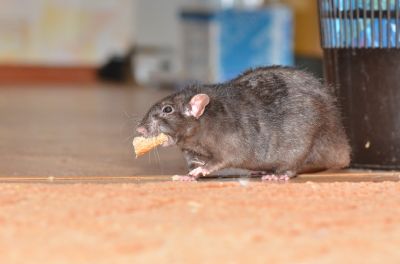
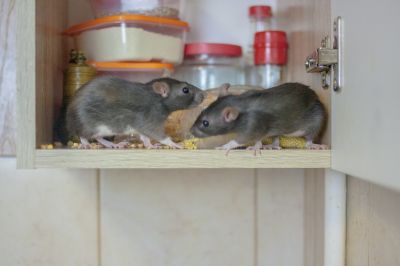
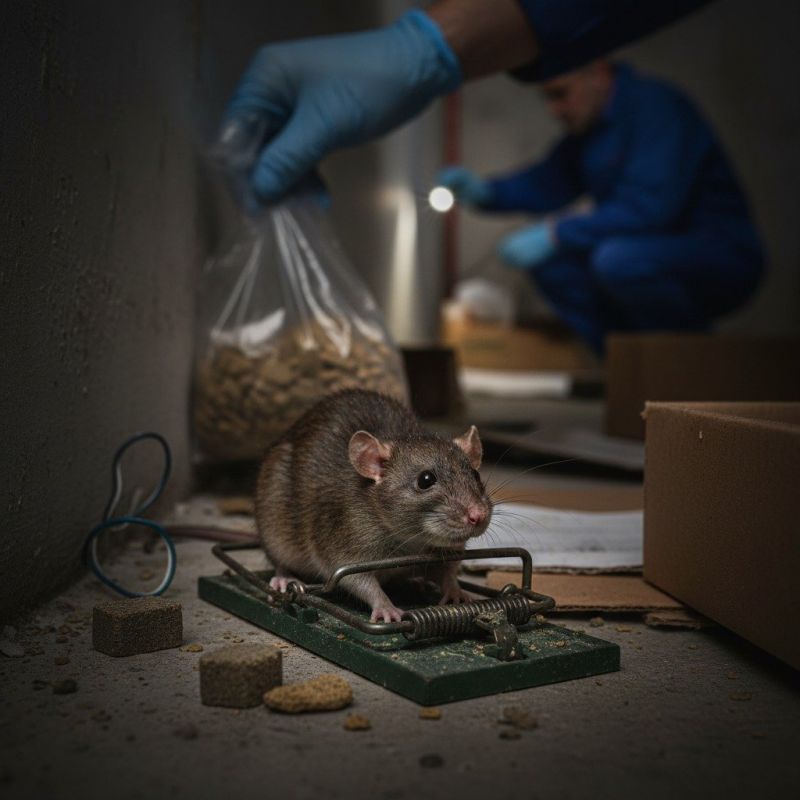
When people search for how mice and rodents impact commercial buildings and operations, they are often trying to understand the risks and consequences associated with rodent infestations in a business environment. This topic typically relates to concerns about property damage, health risks, and potential disruptions to daily operations. Business owners and facility managers may be worried about how rodents can compromise structural integrity by gnawing on wiring, insulation, or building materials. Additionally, the presence of mice and rodents can lead to contamination of food supplies, surfaces, and equipment, which can threaten compliance with health standards and create liabilities.
The problems connected to rodents in commercial settings often involve more than just nuisance; they can lead to significant financial and operational setbacks. Rodent infestations can cause electrical fires by chewing through wiring, damage inventory or packaging, and create unsanitary conditions that jeopardize food safety or cleanliness standards. For companies that handle food, pharmaceuticals, or other sensitive products, rodent presence can result in regulatory violations, product recalls, or shutdowns. Many plans related to these issues focus on prevention, early detection, and effective removal strategies to minimize damage and maintain a safe, compliant environment.
Commercial properties that frequently come up in discussions about mice and rodent impacts include warehouses, manufacturing facilities, restaurants, grocery stores, and office buildings. Warehouses and storage units are especially vulnerable due to their large storage areas and sometimes limited pest control measures. Food processing plants and restaurants face strict health code requirements, making rodent control essential to avoid contamination and shutdowns. Office buildings and retail spaces are also at risk, as rodents can nest in hidden areas like wall voids, basements, or storage closets. In all these cases, local service providers specializing in mice and rodent control can help property owners develop tailored strategies to address current issues and prevent future infestations.
Understanding how mice and rodents impact commercial buildings and operations helps property owners see the importance of proactive pest management. These pests can cause costly damage and disrupt business continuity if not addressed promptly. Local contractors experienced in commercial rodent control can assess the specific risks and conditions of each property, offering targeted solutions to eliminate existing problems and implement ongoing prevention measures. For many businesses, partnering with these service providers is a practical step toward safeguarding their property, maintaining health standards, and ensuring smooth operations without the threat of rodent-related setbacks.
Commercial pest management projects involve strategies to control various pests, including rodents, in large-scale facilities, requiring similar planning and tools used in mouse and rodent control efforts.
Building sanitation and cleanup initiatives focus on removing food sources and nesting sites for rodents, aligning with the needs of professionals addressing mice and rodent impacts in commercial spaces.
Wildlife exclusion services aim to seal entry points and prevent animal intrusions, which overlaps with rodent-proofing techniques essential for maintaining commercial building integrity.
Facility maintenance and repair projects often include sealing gaps and fixing structural issues that rodents exploit, making these projects relevant for those specializing in rodent impact mitigation.
Food storage facility management involves pest prevention measures that are crucial for controlling mice and rodents in commercial food-related environments.
Health and safety compliance projects require pest control measures to prevent contamination, closely related to services that address rodent-related risks in business operations.
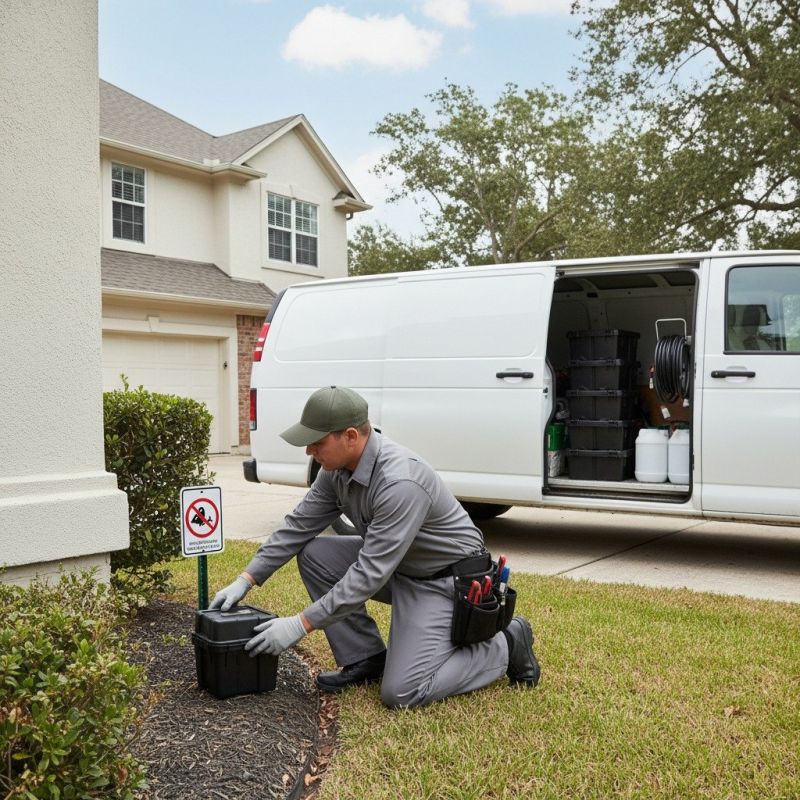
When evaluating service providers for commercial mice and rodent control, it’s important to consider their experience with similar projects. An experienced contractor will have a clear understanding of how mice and rodents impact commercial buildings and operations, including the common entry points, nesting areas, and potential damage they can cause. They should be able to explain the specific challenges faced in commercial settings and demonstrate familiarity with the types of structures and environments involved. This background helps ensure that the chosen professional can develop effective strategies tailored to the unique needs of a business, reducing the risk of recurring infestations and minimizing operational disruptions.
Clear written expectations are essential when selecting a contractor for rodent control services. A reputable service provider should be able to outline the scope of work, including inspection procedures, treatment methods, and follow-up plans, in a detailed and comprehensible manner. This transparency helps prevent misunderstandings and ensures that the business understands what to expect from the service. Additionally, written expectations should address what the contractor will do to prevent future infestations and how they will communicate progress and findings throughout the process, fostering a sense of confidence and clarity in the working relationship.
Reputable references and good communication are key indicators of a dependable service provider. When considering local contractors, it’s beneficial to seek out references from other commercial clients who have faced similar issues with mice and rodents. This feedback can provide insights into the contractor’s reliability, professionalism, and effectiveness in handling infestations. Furthermore, a contractor who maintains open and clear communication-responsive to questions, transparent about procedures, and proactive in providing updates-can help ensure that the business remains informed and involved throughout the process. These qualities contribute to a smoother experience and a higher likelihood of successful, long-term rodent management.
Property owners often search for how mice and rodents impact commercial buildings and operations when they are planning practical projects around their homes and businesses. Local pros provide Commercial Mice and Rodent Control services for everyday jobs and straightforward project options.
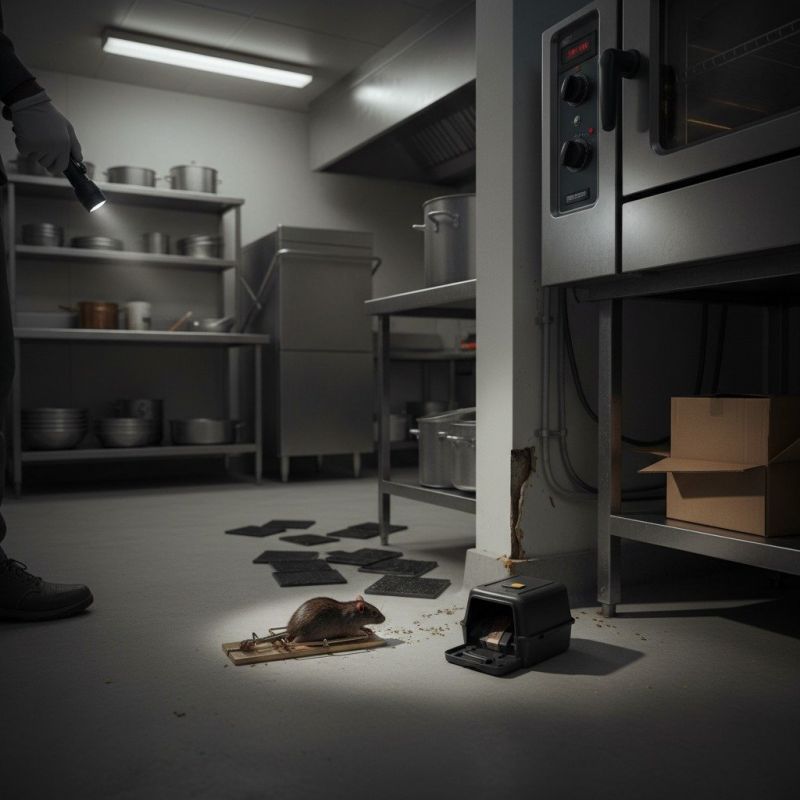
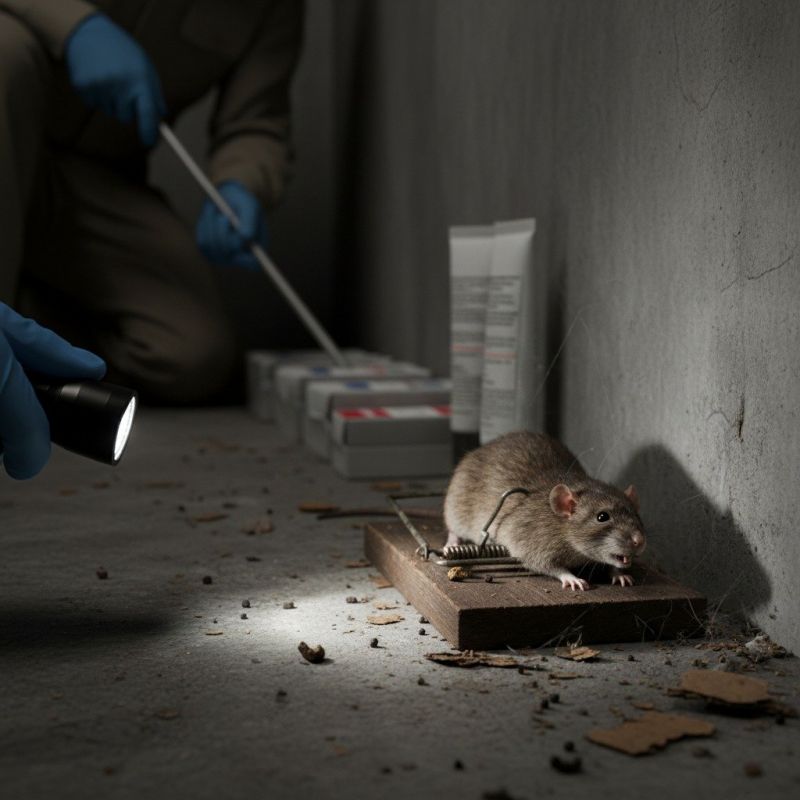
Mice and rodents can cause significant disruptions in commercial buildings, affecting daily operations and overall safety. In busy environments like offices, warehouses, or restaurants, even small infestations can lead to contamination of food supplies, damage to stored goods, and increased sanitation concerns. Property owners often look up this topic to understand the risks and to find effective solutions that prevent rodents from establishing a foothold in their facilities. Local contractors specializing in commercial rodent control offer the expertise needed to identify problem areas, implement targeted treatments, and help maintain a clean, pest-free environment that supports smooth business operations.
Beyond the immediate health and safety issues, rodents can also impact the reputation of a business if infestations become visible or cause damage. Structural components, wiring, and insulation are vulnerable to rodent activity, which can lead to costly repairs and potential safety hazards. Property owners searching for ways to protect their investments often turn to local service providers for assistance in managing and preventing rodent problems. These professionals can assess the property, recommend appropriate control measures, and help establish ongoing prevention strategies to keep commercial spaces secure and operationally efficient.
How do mice and rodents affect commercial buildings and operations? Mice and rodents can cause structural damage, contaminate food supplies, and spread diseases, leading to operational disruptions and increased maintenance costs for commercial properties.
Why is rodent control important for businesses? Effective rodent control helps prevent health hazards, protects inventory, and maintains compliance with health regulations, ensuring smooth business operations.
What signs indicate a rodent infestation in a commercial space? Common signs include droppings, gnaw marks, nests, and unusual sounds, which can alert property managers to the presence of mice or rodents needing professional attention.
How can local service providers help manage rodent issues? Local contractors offer inspection, exclusion, and baiting services to eliminate rodents and prevent future infestations, safeguarding the building’s integrity and operations.
What are the risks of ignoring a rodent problem in a commercial setting? Ignoring rodent issues can lead to severe damage, health code violations, and potential business closures due to health risks and property deterioration.
Identify entry points - property owners can work with local contractors to locate and seal gaps or holes that rodents use to access buildings, reducing future infestations.
Implement sanitation practices - maintaining clean storage and food areas can be coordinated with local pros to minimize attractants for mice and rodents.
Set strategic traps and bait stations - professional services can advise on placement and maintenance to effectively control existing rodent populations.
Establish ongoing monitoring - partnering with local providers ensures regular inspections to detect early signs of rodent activity and prevent larger issues.
If you are thinking about how mice and rodents impact commercial buildings and operations for a property, this guide is meant to help you understand this topic, the typical project types, and how different options might fit your plans.
When you are ready, you can use the quote form on this page to share a few details about your project. From there, local pros can review the basics and follow up with options that match what you have in mind.