How Rodent Infestations Spread Disease Inside Residential Properties
To prevent the spread of disease inside homes, local contractors can identify and remove rodent infestations, helping keep your family safe and healthy.
Understanding how rodent infestations spread disease inside residential properties is essential for property owners concerned about health and safety. Rodents can carry a variety of harmful pathogens, and their presence inside a home increases the risk of contamination through droppings, urine, and bites. Recognizing the ways these pests transmit illnesses can motivate property owners to seek effective removal solutions promptly, helping to protect families and pets from potential health hazards.
For those experiencing signs of rodent activity or simply wanting to prevent future issues, connecting with experienced local contractors who specialize in rodent infestation removal can provide peace of mind. These service providers understand how rodents can infiltrate homes and spread disease, and they offer targeted strategies to eliminate infestations and secure properties against future visits. Continuing to explore this topic can help property owners make informed decisions about pest management and health protection.
- Rodent infestation removal services are essential when residents notice signs of rodent activity that could lead to the spread of disease inside homes. Local contractors assess the extent of the infestation and implement targeted removal strategies to eliminate rodents and prevent contamination. These professionals also identify entry points and nesting areas to reduce the risk of ongoing health hazards. Proper cleanup and sanitation are included to address potential disease transmission pathways. Contacting local service providers ensures effective removal and mitigation of health risks associated with rodent-borne diseases inside residential properties.
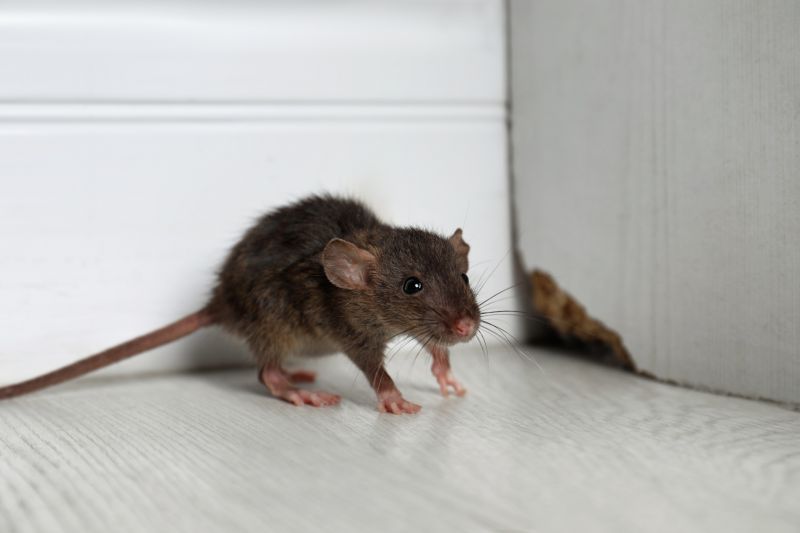
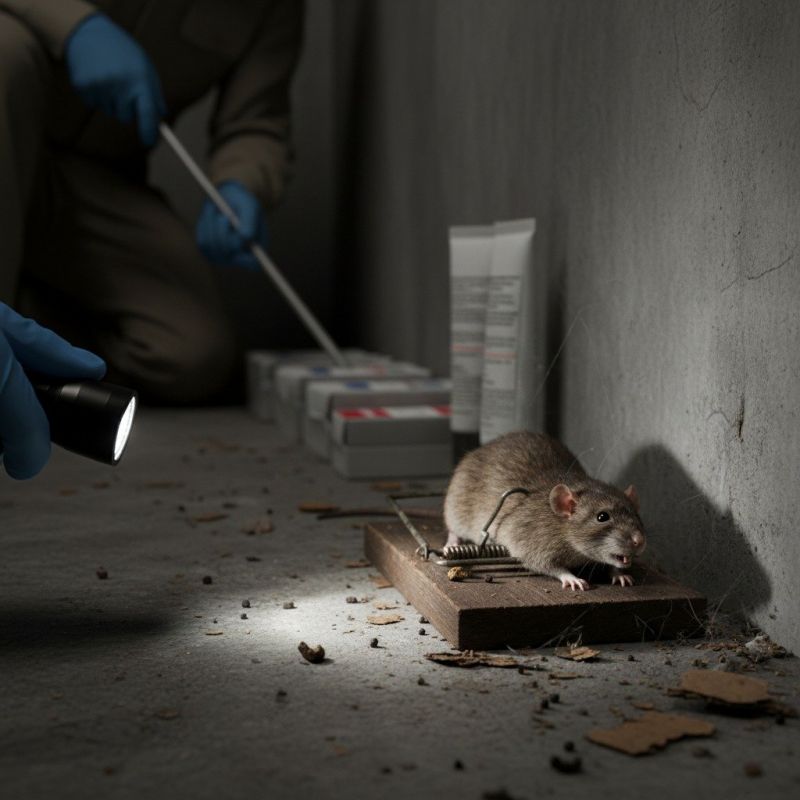
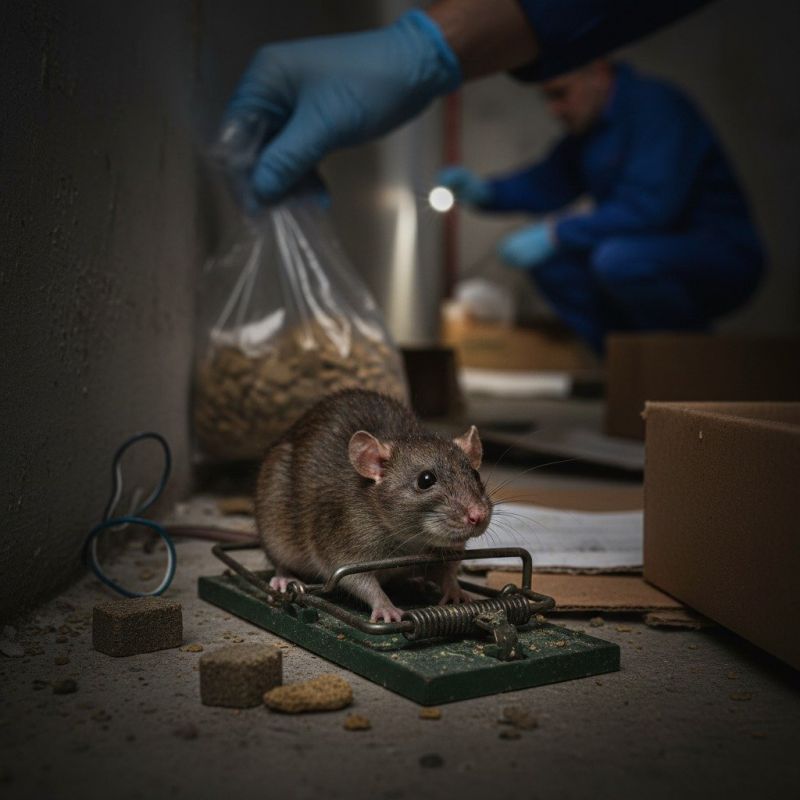
When people search for how rodent infestations spread disease inside residential properties, they are often concerned about the health risks posed by these pests. They want to understand how mice and rats can carry and transmit harmful pathogens through their droppings, urine, and bites. This information is crucial for homeowners who suspect a rodent problem or want to prevent potential health hazards. Knowing the connection between rodent activity and disease spread helps residents recognize the importance of prompt removal and sanitation measures to protect their families and pets.
This topic is closely related to problems such as contamination of food supplies, exposure to bacteria and viruses, and the need for effective pest management plans. Homeowners dealing with rodent infestations often seek solutions that not only eliminate the pests but also address the health risks associated with their presence. Local service providers specializing in rodent removal can assist in developing integrated strategies that include trapping, exclusion, and sanitation to reduce the likelihood of disease transmission. These professionals understand how to identify rodent entry points and nesting areas, which are key to preventing future infestations and minimizing health hazards.
Certain types of properties are more prone to rodent infestations and the associated health risks. Typically, older homes, properties with cluttered basements, garages, or attics, and those with easy access points like gaps around doors and windows are more vulnerable. Residential buildings such as single-family homes, duplexes, and multi-unit apartment complexes often encounter these issues, especially if they are located near wooded areas, parks, or other environments that attract rodents. For homeowners, understanding the typical property characteristics that attract rodents can help inform proactive measures and prompt professional intervention when needed.
Connecting with local contractors experienced in rodent infestation removal is essential for addressing the health concerns related to how rodent infestations spread disease inside residential properties. These service providers can perform thorough inspections to assess the extent of the problem and implement targeted removal strategies. They also offer advice on sealing entry points and maintaining a clean environment to prevent re-infestation. By working with local pros, homeowners gain access to effective solutions that reduce health risks, improve property sanitation, and promote a safer living space.
Wildlife Exclusion Projects - these involve sealing entry points and removing animals, which helps prevent rodents from entering homes and spreading disease inside residential properties.
Pest Control and Removal Services - local contractors specializing in pest management often handle rodent infestations that can transmit diseases within homes.
Home Inspection and Damage Assessment - professionals evaluate structural vulnerabilities that allow rodent entry, reducing the risk of disease transmission inside residential properties.
Sanitation and Debris Removal - clearing clutter and waste helps eliminate rodent hiding spots and reduces potential disease spread inside homes.
Structural Repairs and Reinforcements - repairing walls, vents, and foundations can prevent rodent access, minimizing disease risks associated with infestations.
Rodent Proofing and Sealing Projects - these focus on blocking entry points, which is essential for preventing the spread of disease inside residential properties through rodent activity.
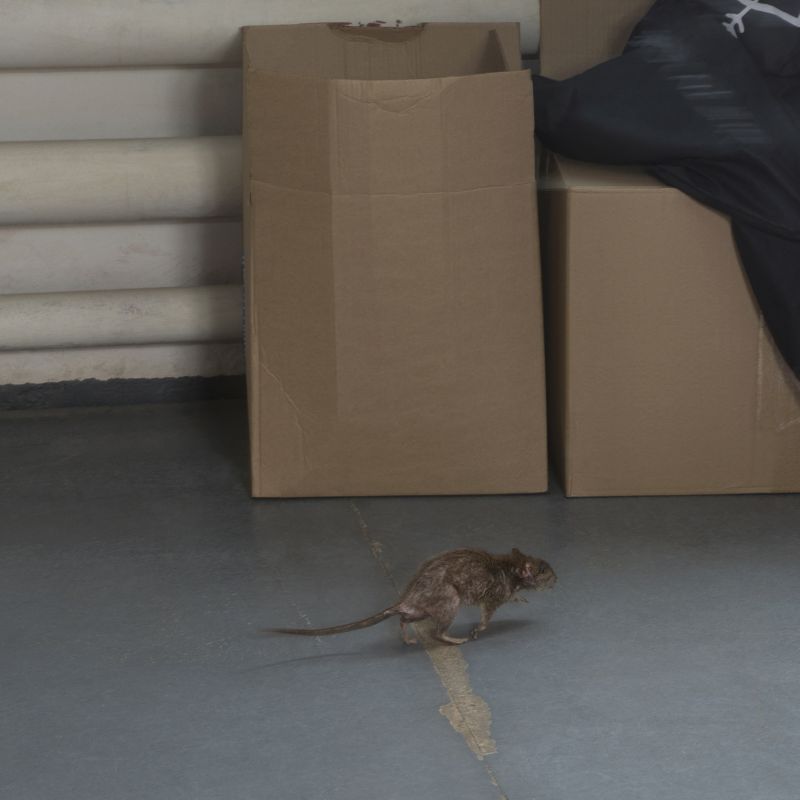
When comparing service providers for rodent infestation removal, it is important to consider their experience with similar projects. Homeowners should inquire about how long a contractor has been handling rodent-related issues inside residential properties and whether they have successfully addressed infestations that involve disease transmission concerns. An experienced contractor will be familiar with common entry points, behaviors, and effective removal strategies, which can help ensure that the infestation is thoroughly managed and that potential health risks are minimized.
Clear written expectations are essential when evaluating local contractors. Homeowners should seek detailed descriptions of the scope of work, including inspection procedures, removal methods, and follow-up measures. Having a well-defined plan helps prevent misunderstandings and ensures that both parties agree on what will be done to eliminate the rodents and reduce the spread of disease. It also provides a basis for assessing whether the contractor’s approach aligns with the homeowner’s concerns about health and safety inside the residence.
Reputable references and good communication are key indicators of a trustworthy service provider. Homeowners should ask for references from previous clients who had similar rodent issues, particularly those involving health-related risks. Additionally, a contractor who communicates clearly, promptly, and transparently can better address questions or concerns about how rodent infestations spread disease inside residential properties. This open dialogue can help ensure that homeowners are well-informed about the process and the importance of effective removal to protect their household’s health.
Property owners often search for how rodent infestations spread disease inside residential properties when they are planning practical projects around their homes and businesses. Local pros provide Rodent Infestation Removal services for everyday jobs and straightforward project options.

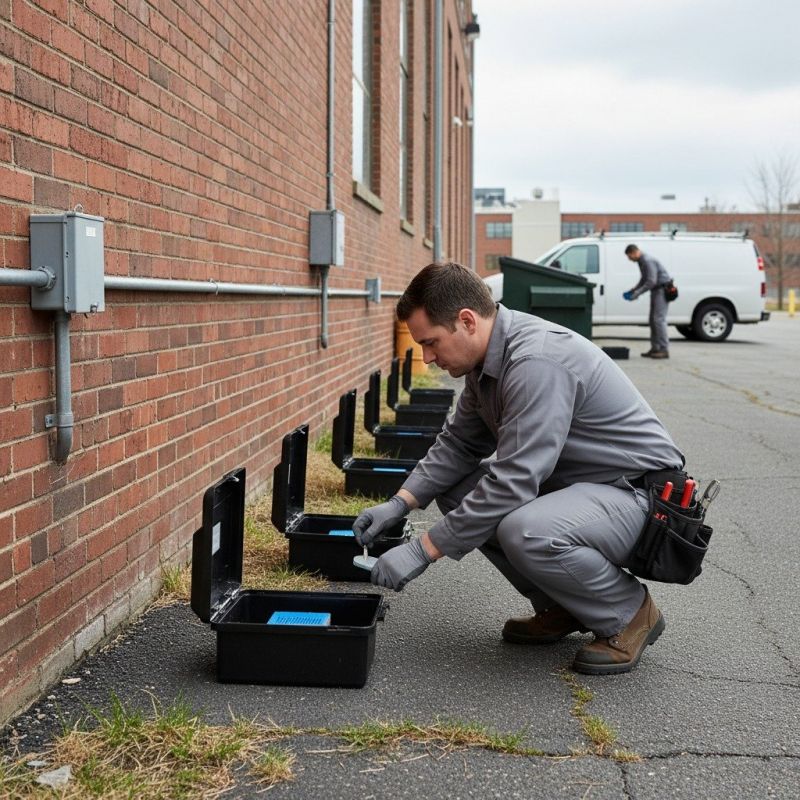
Rodent infestations inside residential properties can pose significant health risks by spreading diseases through their droppings, urine, and saliva. Everyday activities like storing food improperly, leaving clutter around the home, or neglecting small entry points can attract rodents and facilitate their movement throughout a house. Property owners in the area might search for rodent infestation removal services to eliminate these pests and prevent the transmission of illnesses such as hantavirus, salmonella, or leptospirosis that can be carried by rodents and contaminate living spaces.
Engaging with experienced service providers is essential for effectively addressing rodent problems and reducing health hazards. Local contractors who specialize in rodent removal can identify how rodent infestations spread disease inside residential properties and implement targeted strategies to eliminate the pests and their access points. Proper removal and exclusion methods help ensure that homes remain safe and reduce the risk of disease transmission, making it a common concern for homeowners dealing with rodent issues.
How do rodent infestations spread disease inside residential properties? Rodents can carry and transmit various diseases through their urine, droppings, and bites. They often contaminate surfaces and food sources, increasing the risk of illness for residents. Local contractors who handle rodent removal can help eliminate these health hazards effectively.
What health risks are associated with rodent-borne diseases in homes? Diseases such as hantavirus, leptospirosis, and salmonellosis can be transmitted from rodents to humans. These illnesses may cause respiratory issues, infections, or gastrointestinal problems. Professional rodent removal services can reduce these health risks by thoroughly eliminating infestations.
How can rodents spread disease through their droppings and urine? Rodent droppings and urine can contaminate household surfaces, food, and water sources. When disturbed, these pathogens become airborne, posing a risk of respiratory infections. Local pest control experts can safely remove rodents and decontaminate affected areas.
Why is it important to address rodent infestations promptly? Leaving a rodent infestation unaddressed increases the likelihood of disease transmission and property damage. Prompt removal by experienced service providers helps prevent health hazards associated with rodent-borne illnesses.
What role do local contractors play in preventing disease spread from rodents? They identify and eliminate rodent entry points, remove existing infestations, and sanitize affected areas. This comprehensive approach helps reduce the risk of disease transmission inside residential properties.
Identify entry points - property owners can work with local contractors to locate and seal gaps or holes that rodents use to enter the home, reducing the risk of disease spread.
Remove food sources - eliminating accessible food waste and storage areas can help prevent rodent populations from thriving inside residential properties.
Clean and sanitize - professional cleanup services can thoroughly disinfect areas contaminated by rodents, minimizing the transmission of diseases.
Implement ongoing prevention - partnering with local pros for regular inspections and maintenance can help keep rodents out and reduce health hazards over time.
If you are thinking about how rodent infestations spread disease inside residential properties for a property, this guide is meant to help you understand this topic, the typical project types, and how different options might fit your plans.
When you are ready, you can use the quote form on this page to share a few details about your project. From there, local pros can review the basics and follow up with options that match what you have in mind.