Common Entry Points Rodents Use to Access Properties
Local contractors specializing in rodent pest control can identify and seal common entry points rodents use to access properties, helping prevent infestations and protect your home.
Understanding the common entry points rodents use to access properties is a crucial step for property owners looking to prevent infestations. These pests often exploit small gaps, cracks, and openings around foundations, doors, windows, and utility lines-areas that might seem insignificant but can serve as easy pathways inside. Recognizing these vulnerabilities can help homeowners and business owners take proactive measures to seal potential entryways, reducing the risk of rodent problems before they start. Local contractors specializing in rodent pest control are well-equipped to identify these entry points and recommend effective solutions to keep unwanted visitors out.
Exploring this topic is especially relevant for property owners in the area who want to protect their investments and maintain a safe, pest-free environment. Since rodents can cause property damage and pose health concerns, understanding how they gain access is a practical step toward prevention. Experienced service providers can assess the unique features of each property, pinpoint common entry points, and implement targeted exclusion strategies. Keeping rodents from entering not only helps avoid costly repairs but also supports ongoing pest management efforts, making it easier to maintain a clean and secure property.
- Entry point sealing - homeowners noticing rodent activity may need local contractors to identify and seal common entry points to prevent further access.
- Garage and foundation repairs - properties with gaps or cracks in the foundation or garage areas can benefit from professional repairs to block rodent entry.
- Vents and utility openings - service providers can secure vents, utility lines, and other openings that rodents often use to access interior spaces.
- Roof and attic inspections - local pros can inspect and reinforce roof vents, eaves, and attic vents to eliminate potential entry points.
- Door and window barrier installation - experts can install barriers or repair worn seals on doors and windows that rodents may exploit to gain entry.


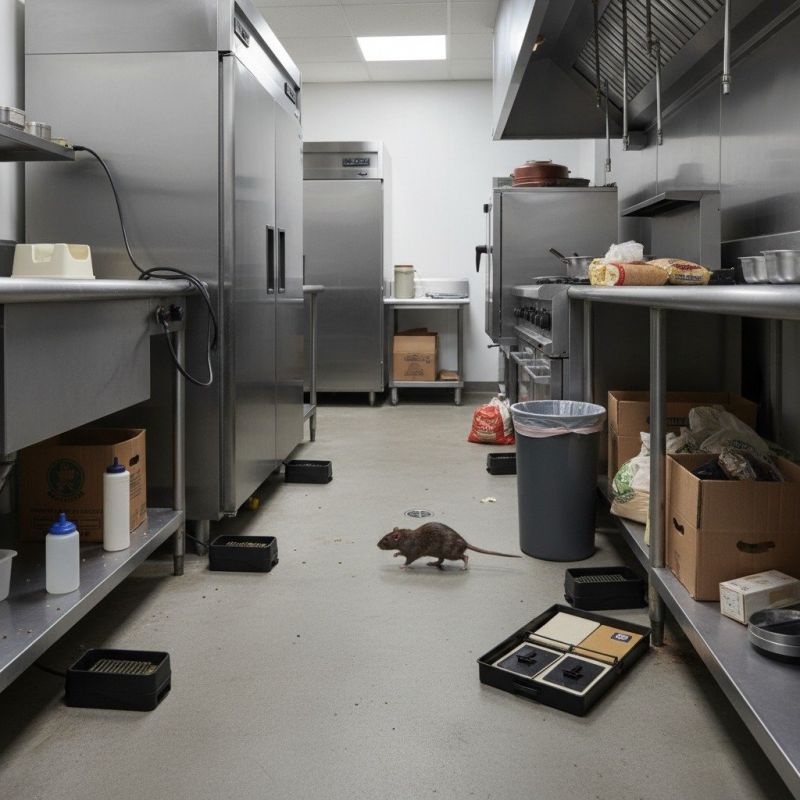
When homeowners search for information about common entry points rodents use to access properties, they are often looking to understand how these pests manage to get inside their homes or buildings. This inquiry typically relates to concerns about rodent infestations, prevention strategies, or ongoing pest control efforts. Many property owners want to identify potential vulnerabilities in their structures to stop rodents from entering and causing damage or spreading disease. Understanding these entry points is also a key part of planning effective exclusion measures, which local pest control service providers can assist with by identifying and sealing these access routes.
The problems associated with rodents entering properties often include contamination of food supplies, damage to insulation or wiring, and the spread of illnesses. Property owners may be planning a pest-proofing project or seeking to address an existing infestation. Knowing the common entry points helps in developing a targeted approach to rodent exclusion, which is often a critical step in pest management. Local contractors who specialize in rodent control can inspect a property for these vulnerabilities, recommend appropriate sealing solutions, and help prevent future entry. This proactive approach can save homeowners from ongoing issues and reduce the likelihood of recurring infestations.
Properties that typically come up in discussions about entry points include residential homes, commercial buildings, warehouses, and even garages or sheds. Older structures tend to have more vulnerabilities, such as gaps around doors, windows, or utility entries. Attics, basements, and crawl spaces are also frequent access zones for rodents, especially when entry points are overlooked or poorly sealed. In urban or suburban areas, where rodents are more common, understanding the specific entry routes used by pests helps property owners take targeted action. Local pest control providers can assess these properties, identify the most likely entry points, and implement exclusion measures to keep rodents out.
Addressing common entry points rodents use to access properties is a practical step in comprehensive pest management. Homeowners should consider the various ways rodents can exploit vulnerabilities, such as gaps around utility lines, vents, or damaged siding. Recognizing these potential entry routes allows for better planning of exclusion efforts, which local service providers can facilitate. By working with experienced pest control professionals, property owners can ensure that their buildings are properly sealed against rodents, reducing the risk of future infestations. This preventive focus helps maintain a cleaner, safer environment and minimizes damage caused by these persistent pests.
Home Inspection Projects - identifying structural vulnerabilities and entry points is essential for preventing rodent access, and local contractors often perform inspections to spot these vulnerabilities.
Foundation Repair Projects - addressing cracks and gaps in foundations can block common entry points rodents use to access properties, with local pros providing repair services.
Sealing and Weatherproofing Projects - sealing gaps around doors, windows, and utility entries helps prevent rodents from entering, and local service providers specialize in these protective measures.
Attic and Crawl Space Encapsulation - securing these areas reduces access points and entry routes for rodents, with local contractors offering encapsulation solutions.
Gutter and Drainage System Projects - proper maintenance and modifications to drainage can eliminate entry points via roof eaves or clogged areas, with local pros handling such work.
Exterior Siding and Wall Repair Projects - fixing damaged siding or wall openings prevents rodents from squeezing through, and local contractors often perform these repairs efficiently.
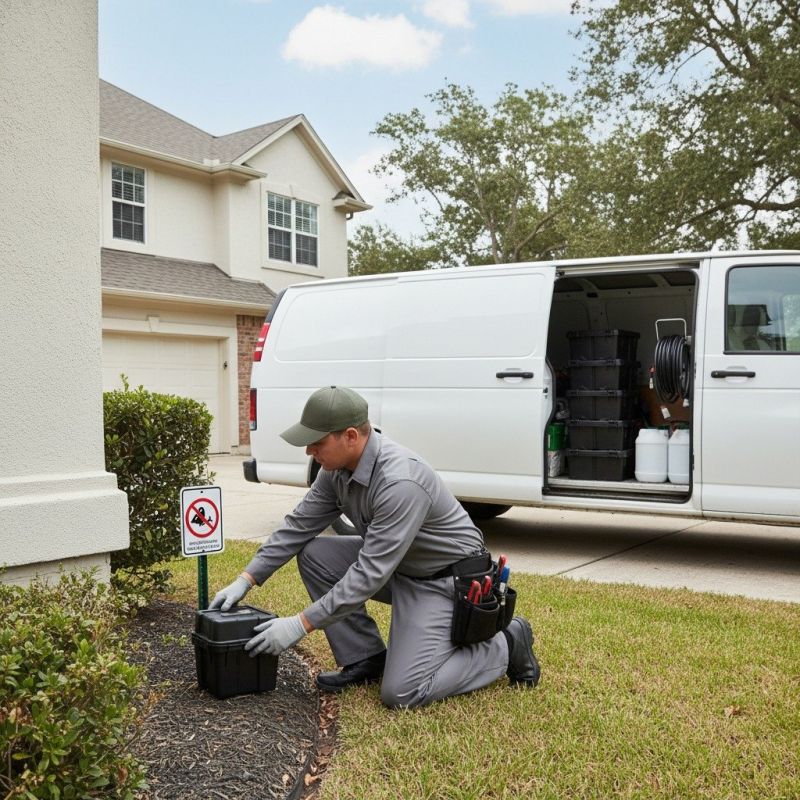
When evaluating local contractors for rodent pest control, it is important to consider their experience with similar projects, particularly those involving identifying and sealing common entry points rodents use to access properties. An experienced service provider will have a thorough understanding of how rodents typically gain entry and can offer insights into effective prevention strategies. Clear communication about their approach, including what areas they will inspect and how they plan to address potential entry points, helps ensure expectations are aligned and the scope of work is well-understood.
Reputable service providers often have references or testimonials that can shed light on their track record with rodent exclusion and pest control. Asking for these references can provide confidence in their ability to handle the specific challenges presented by common entry points. Additionally, a provider who communicates clearly and consistently can make the process smoother, answering questions and providing updates throughout the project. Good communication helps prevent misunderstandings and ensures that any concerns about the work or the property are addressed promptly.
Choosing a contractor who demonstrates professionalism and transparency is key to a successful rodent control effort. They should be willing to explain their methods, outline what to expect during the inspection and sealing process, and offer guidance on maintaining a rodent-resistant property. By focusing on experience with similar projects, verifying reputable references, and valuing clear communication, homeowners can better compare local service providers and select the one best suited to effectively address common entry points rodents use to access properties.
Property owners often search for common entry points rodents use to access properties when they are planning practical projects around their homes and businesses. Local pros provide Rodent Pest Control services for everyday jobs and straightforward project options.
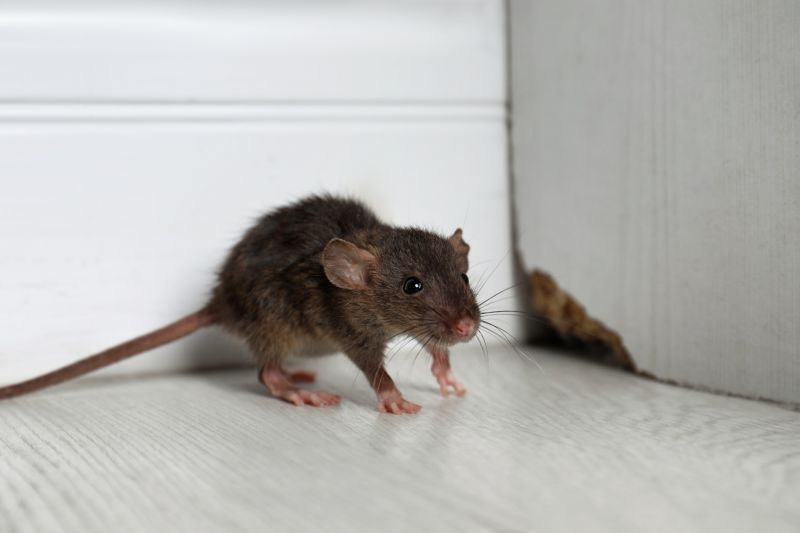
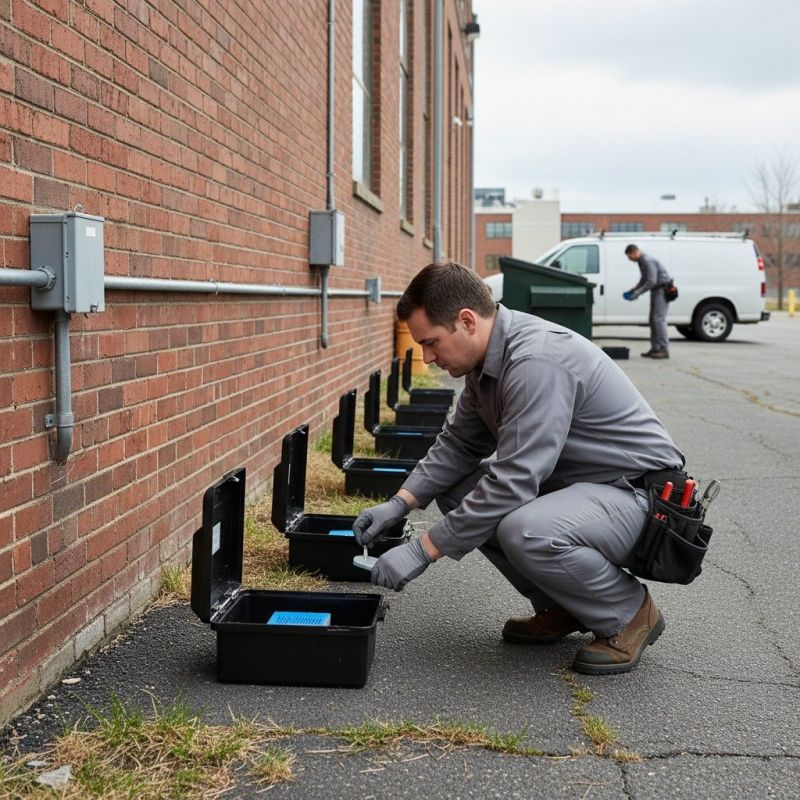
Understanding the common entry points rodents use to access properties can help homeowners identify vulnerabilities before an infestation occurs. Small gaps around doors, windows, and utility lines are often overlooked but provide easy access for rodents seeking shelter and food. Additionally, openings in the foundation, vents, and gaps around pipes or cables can serve as hidden pathways into homes and commercial buildings. Property owners in the area may look up this information to better assess their property's defenses and determine if professional rodent pest control services are needed to seal these entry points and prevent future visits.
Local contractors who specialize in rodent pest control can offer effective solutions for identifying and sealing these entry points. They typically conduct thorough inspections to locate potential access areas and implement targeted repairs to block rodents from entering. Engaging experienced service providers helps ensure that all common entry points are properly addressed, reducing the likelihood of recurring issues. For property owners seeking to protect their premises, connecting with local pros can provide peace of mind and a comprehensive approach to rodent prevention and control.
What are common entry points rodents use to access properties? Rodents typically enter buildings through small openings such as gaps around doors, windows, vents, and utility lines, as well as cracks in the foundation and walls. Local contractors can identify and seal these entry points to prevent infestations.
How do rodents access attics and crawl spaces? They often use gaps around roof vents, soffits, and damaged fascia to gain entry to attics. Skilled pest control providers can inspect and secure these areas to block rodent access.
Are there specific entry points around doors and windows? Yes, rodents can squeeze through tiny gaps or damaged seals around doors and windows. Local service providers can help identify these vulnerabilities and recommend effective sealing solutions.
Can rodents enter through utility openings? Rodents frequently use gaps around utility lines, pipes, and vents to access properties. Professional pest control experts can locate and seal these entry points to reduce risks.
What steps can be taken to prevent rodents from using entry points? Regular inspections and sealing of potential entry points by local contractors are essential steps. Pest control services can assist with identifying and blocking these access points to safeguard properties.
Identify and Seal Entry Points - Property owners can work with local contractors to locate small openings and seal them to prevent rodent entry.
Install Barriers and Screens - Using mesh or hardware cloth around vents and crawl spaces helps block common access points rodents use.
Maintain Exterior Structures - Regularly inspecting and repairing damaged siding, gaps, and foundation cracks reduces potential entry sites.
Implement Proper Waste Management - Securing trash and compost areas makes properties less attractive to rodents seeking food and shelter.
If you are thinking about common entry points rodents use to access properties for a property, this guide is meant to help you understand this topic, the typical project types, and how different options might fit your plans.
When you are ready, you can use the quote form on this page to share a few details about your project. From there, local pros can review the basics and follow up with options that match what you have in mind.