How Rodents Contaminate Food Storage Areas and Pantries
Local contractors specializing in rodent removal can help prevent contamination of food storage areas and pantries by safely eliminating pests and securing your space.
If you’ve ever wondered how rodents contaminate food storage areas and pantries, you’re in the right place. Property owners in the area often find themselves concerned about pests invading their spaces, especially when it comes to safeguarding food supplies. Rodents can quickly turn a clean, organized pantry into a health hazard by leaving droppings, gnawing on packaging, and spreading bacteria. Understanding how these pests contaminate food storage areas highlights the importance of professional rodent removal services, which local contractors are equipped to handle efficiently. Keep reading to learn practical tips on preventing contamination and how trusted service providers can help maintain a safe, pest-free environment.
Maintaining a clean, rodent-free pantry is essential for protecting food quality and ensuring safety. Property owners who notice signs of rodent activity or want to prevent future issues often turn to local contractors specializing in rodent removal. These professionals can assess vulnerabilities in storage areas, implement effective exclusion methods, and thoroughly clean contaminated spaces. Recognizing how rodents contaminate food storage areas and pantries underscores the value of expert assistance in keeping food supplies safe and contamination-free. Continue exploring this topic to discover how connecting with experienced local service providers can help safeguard your home or business from rodent-related risks.
- Rodent removal services are needed when rodents are discovered in food storage areas or pantries, and local contractors use targeted trapping and exclusion techniques to eliminate infestations.
- Rodent removal is essential if signs of rodent activity, such as droppings or gnaw marks, are found near food supplies, with professionals focusing on sealing entry points and setting traps.
- Rodent removal services are called for when rodents threaten food safety in storage spaces, and local experts typically implement integrated pest management strategies to control the problem.
- Rodent removal becomes necessary when rodents contaminate food storage areas, with local service providers assessing the extent of the infestation and deploying appropriate removal methods.
- Rodent removal is often sought when rodents are suspected of contaminating food in pantries, with local contractors inspecting for hidden nests and implementing effective exclusion and trapping solutions.
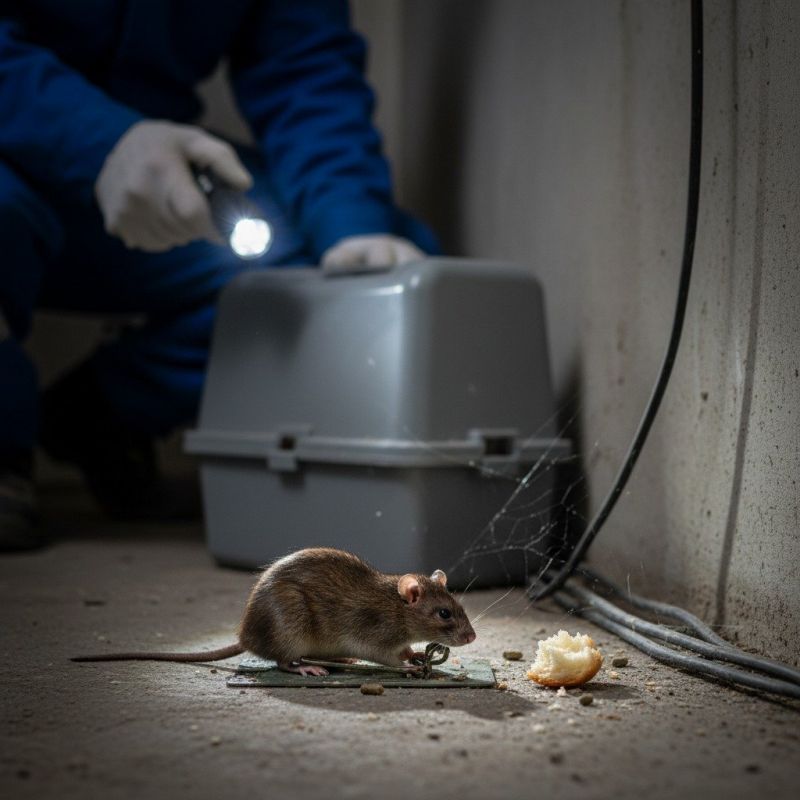
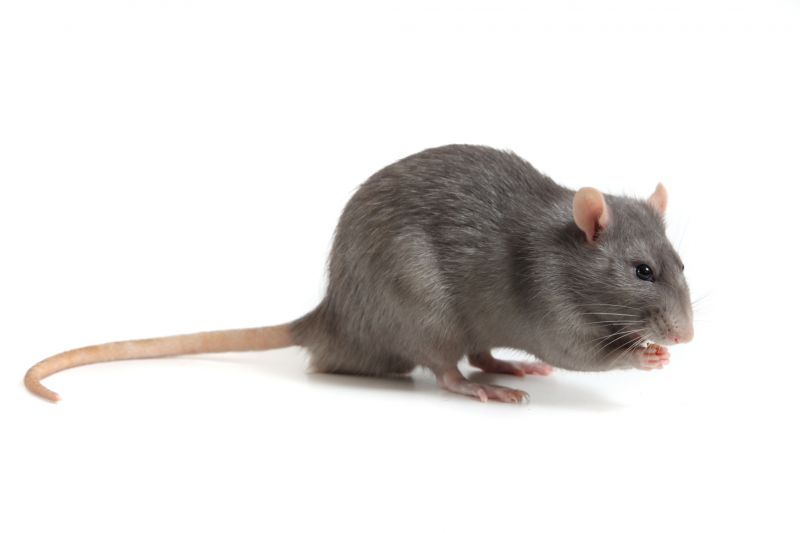
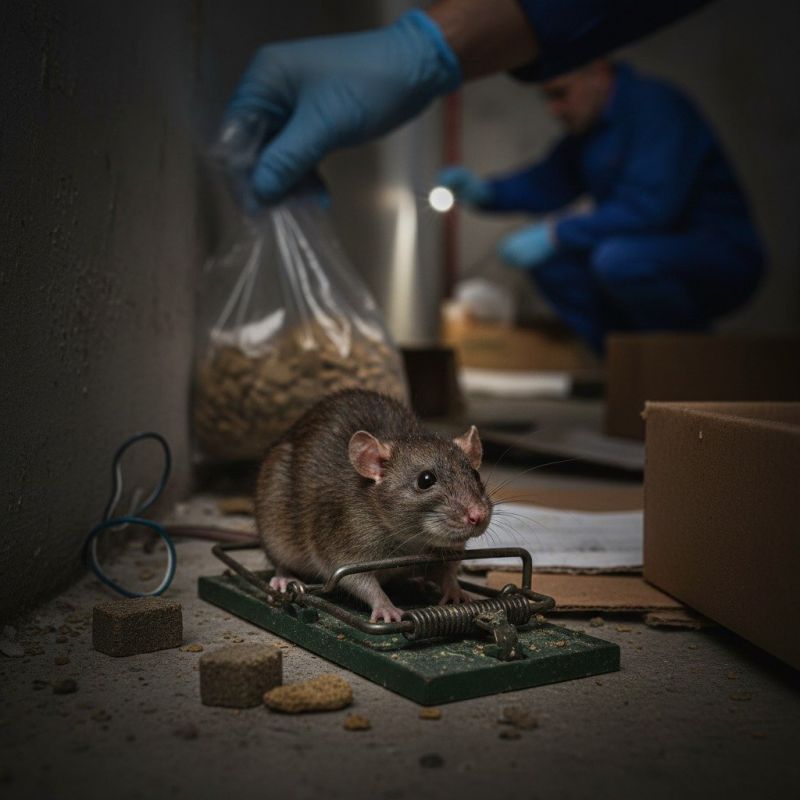
When people search for information about how rodents contaminate food storage areas and pantries, they are often concerned about the health risks and cleanliness issues associated with rodent infestations. These searches typically stem from worries about discovering signs of rodents, such as droppings, gnaw marks, or nesting materials, in areas where food is stored. Homeowners want to understand how these pests can compromise food safety, potentially leading to foodborne illnesses or contamination of pantry supplies. This knowledge helps them recognize the importance of timely intervention and highlights the need for professional pest control services to address the problem effectively.
The problems related to rodent contamination in food storage areas extend beyond just the presence of pests. Rodents can carry and spread bacteria, viruses, and parasites that can contaminate stored foods, utensils, and surfaces. This contamination can result in health hazards and food spoilage, creating a need for thorough cleaning and sanitation. Many property owners plan to implement measures such as sealing entry points, setting traps, or deep cleaning their pantries to prevent future issues. Engaging with experienced service providers can help develop a comprehensive approach to rodent-proofing storage spaces and ensuring food remains safe and uncontaminated.
Properties frequently impacted by rodent contamination include residential homes, especially those with accessible food storage areas like pantries and kitchens. Warehouses, grocery stores, and restaurants are also common sites where rodent issues can threaten stored food supplies. These properties often have large quantities of food or open shelving that can attract pests. For homeowners, the focus may be on securing pantry items and eliminating hiding spots, while commercial properties might require more extensive pest management strategies. In all cases, local contractors who specialize in rodent removal can provide tailored solutions to help protect food storage areas from ongoing contamination risks.
Understanding how rodents contaminate food storage areas and pantries connects directly to real projects involving pest prevention and sanitation. Homeowners and property managers often seek professional assistance to identify entry points, remove existing pests, and implement long-term exclusion measures. These efforts are essential for maintaining a safe and hygienic environment, especially in spaces where food is stored or prepared. Local service providers who specialize in rodent removal are equipped to assess each property’s unique needs and provide effective solutions that reduce contamination risks. Partnering with these professionals can help ensure that food storage areas remain clean, safe, and free from rodent-related health hazards.
Pest Inspection Services - Professionals conduct thorough inspections to identify signs of rodent activity, helping to prevent contamination of food storage areas and pantries.
Wildlife Exclusion Projects - These projects involve sealing entry points and installing barriers to keep rodents out of food storage spaces, reducing contamination risks.
Rodent Proofing Services - Experts focus on making food storage areas resistant to rodent intrusion, which is essential for maintaining pantry hygiene and safety.
Food Storage Safety Assessments - Service providers evaluate storage practices to minimize contamination and ensure proper handling and sanitation in pantry areas.
Structural Repair and Sealing - Contractors repair and seal gaps or cracks that rodents could use to access food storage areas, preventing contamination.
Sanitation and Cleanup Services - Professionals clean and sanitize affected areas to eliminate contamination and restore food safety after rodent intrusion.
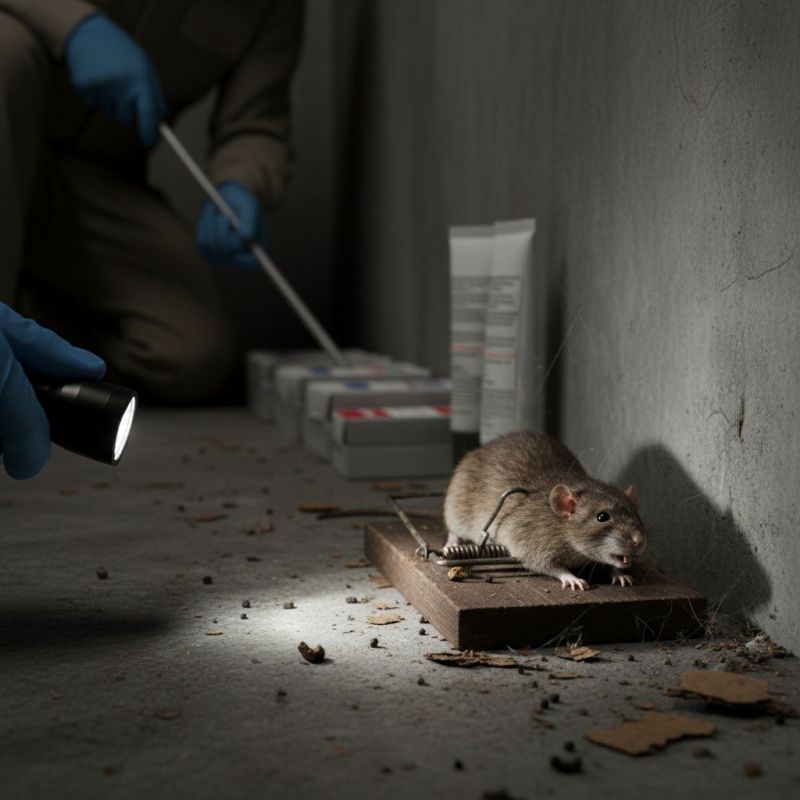
When comparing service providers for rodent removal, it’s important to consider their experience handling similar projects, particularly those involving food storage areas and pantries. Homeowners should look for local contractors who have a proven track record of effectively addressing rodent issues in environments where food safety is a concern. An experienced professional will understand the common ways rodents contaminate food storage areas and be familiar with the best methods for eliminating infestations while preventing future occurrences. This background can help ensure the chosen provider is well-equipped to handle the specific challenges of safeguarding food supplies from contamination.
Clear written expectations are essential when evaluating rodent removal services. Homeowners should seek out providers who can articulate their approach to identifying entry points, setting traps or bait stations, and thoroughly cleaning and sanitizing affected areas. A detailed scope of work helps prevent misunderstandings and ensures that both parties are aligned on what the service includes. Reputable contractors often provide written estimates or service plans that outline the steps involved, giving homeowners confidence that the project will be managed professionally and comprehensively.
Reputable references and effective communication are key factors in selecting a reliable service provider. Homeowners can benefit from speaking with previous clients or reading reviews to gauge the quality of work and customer satisfaction. Good communication from the contractor is equally important; it ensures questions are answered clearly, concerns are addressed promptly, and updates are provided throughout the process. When choosing a local contractor for rodent removal, prioritizing those with positive references and transparent communication can help ensure the job is completed thoroughly and to expectations, reducing the risk of ongoing contamination issues in food storage areas and pantries.
Property owners often search for how rodents contaminate food storage areas and pantries when they are planning practical projects around their homes and businesses. Local pros provide Rodent Removal services for everyday jobs and straightforward project options.

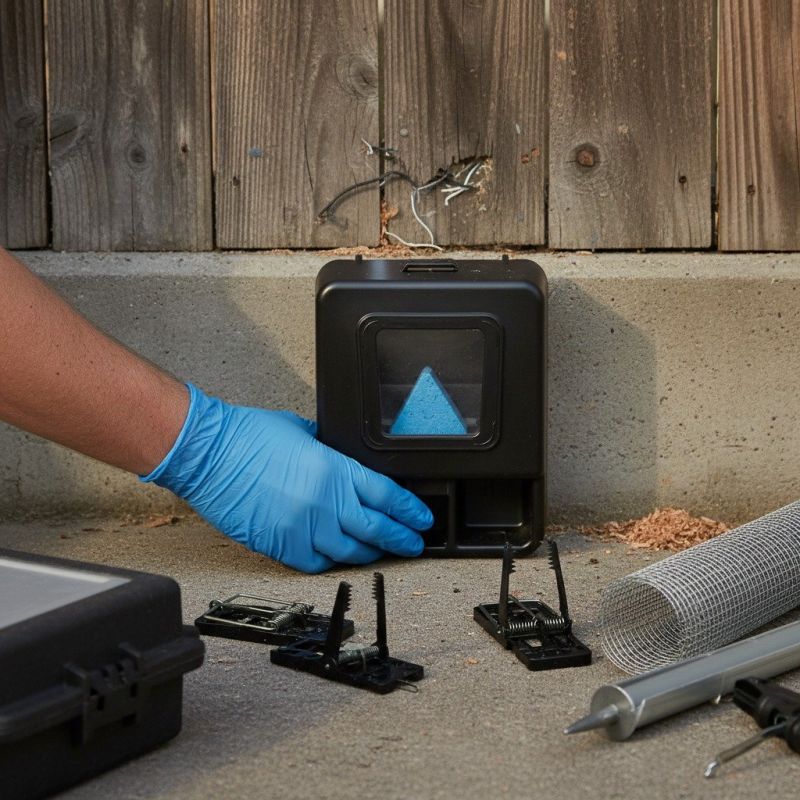
Rodents can pose a significant threat to food storage areas and pantries by contaminating stored items with their droppings, urine, and hair. These pests often seek out accessible food sources, gnawing through packaging and creating entry points that allow them to invade storage spaces. Their presence not only leads to spoiled or damaged food but also raises concerns about the spread of bacteria and disease, making it crucial to address infestations promptly. Property owners in the area who notice signs of rodent activity are encouraged to consider rodent removal services offered by local contractors to help safeguard their food supplies.
In many cases, rodent contamination occurs because food storage areas are not properly sealed or maintained, providing easy access for these pests. Simple steps like securing packaging and cleaning up crumbs can reduce attraction, but professional removal services are often needed to eliminate ongoing issues. Local service providers specialize in identifying entry points, setting traps, and implementing effective strategies to prevent future infestations. Consulting with experienced contractors can help property owners protect their food storage spaces and maintain a clean, pest-free environment.
How do rodents contaminate food in storage areas and pantries? Rodents can spread bacteria, viruses, and parasites through their droppings, urine, and saliva, which can contaminate stored food and surfaces in pantries.
What signs indicate rodents may have contaminated a food storage area? Signs include droppings, gnaw marks, nests, a strong musky odor, and sightings of rodents or their tracks near stored food.
How can local contractors help prevent rodent contamination in food storage areas? They can inspect for entry points, set traps, recommend sanitation practices, and help seal potential access points to keep rodents out.
Why is it important to address rodent contamination quickly? Rapid intervention prevents the spread of disease, reduces food loss, and minimizes the risk of a larger rodent infestation.
What steps do service providers take to remove rodents and prevent future contamination? They perform trapping and exclusion, remove rodent droppings, sanitize affected areas, and advise on proper food storage practices to prevent re-entry.
Identify entry points - property owners can work with local contractors to locate and seal gaps or holes that rodents use to access food storage areas.
Implement proper storage methods - storing food in airtight containers helps prevent contamination and makes it easier for local pros to identify rodent activity.
Maintain cleanliness - regular cleaning of pantry areas reduces food debris that attracts rodents, with local services providing thorough sanitation if needed.
Set traps and barriers - installing traps or physical barriers can be part of a comprehensive plan to prevent rodents from contaminating food storage spaces, handled by local experts.
If you are thinking about how rodents contaminate food storage areas and pantries for a property, this guide is meant to help you understand this topic, the typical project types, and how different options might fit your plans.
When you are ready, you can use the quote form on this page to share a few details about your project. From there, local pros can review the basics and follow up with options that match what you have in mind.